



Integrated textile actuators
Haptic vibration, active heating, EMS & light embedded in the garment

Robust, flexible and industrializable active architectures
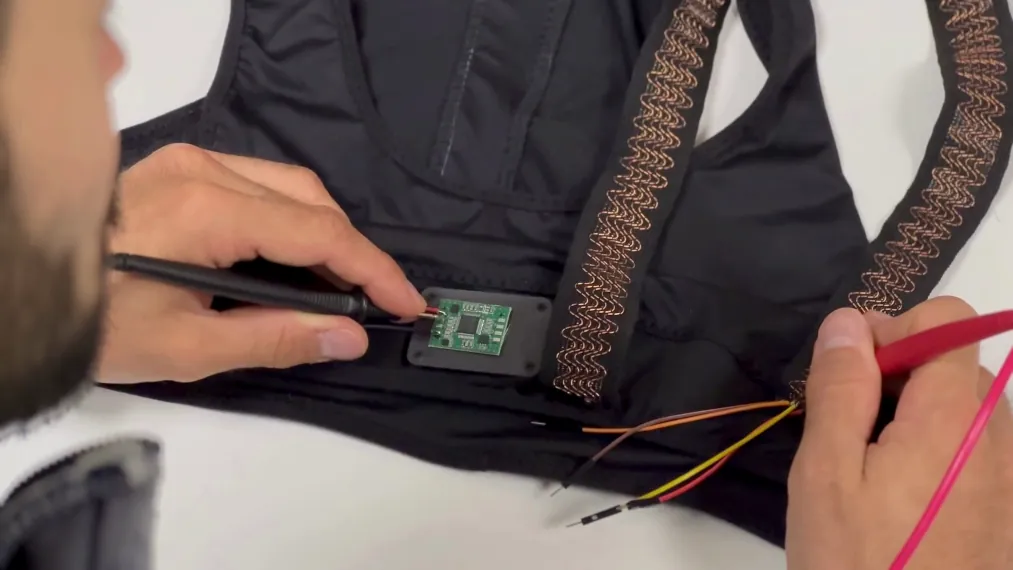
A garment can do more than measure: it can vibrate to guide, heat to protect, stimulate to rehabilitate, or light up to alert. AQ-Tech develops integrated textile actuators built directly into the fabric structure — haptics, heating, EMS/TENS, light and soft mechatronic actuators — for applications in sports, medical, industry and defense.
Our approach is centered on four constraints that are rarely solved together: washability, energy consumption, discreet integration into garment comfort, and industrializability. We develop the actuation architectures, component encapsulation, control electronics and firmware — in-house, with the same team from the first prototype to the pre-series.
Textile actuators naturally pair with our integrated textile sensors to create complete sensor → action loops: measuring a posture or impact, then generating haptic feedback or adjusting heating in real time.
Our integrated textile actuators
Actuation technologies integrated directly into technical textiles — for low-power, washable and production-scalable architectures.
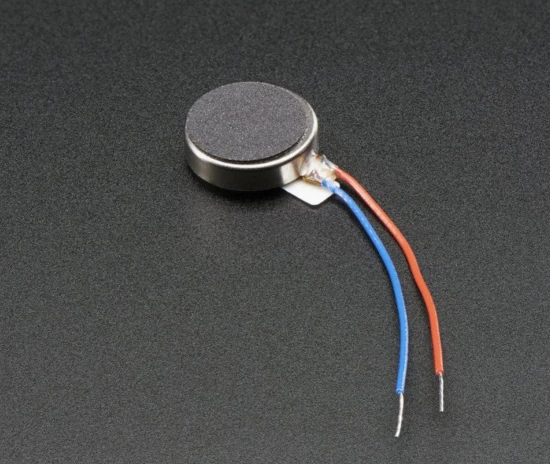
Haptic feedback & vibration
Precise vibratory stimulation to guide, alert or inform the user.
Haptic feedback in a garment delivers information without engaging sight or hearing. Navigation guidance, posture alerts, excessive muscular load warnings, sports performance feedback — applications are numerous. We select the motors (ERM, LRA) and silicone/TPU encapsulation techniques based on frequency, intensity and washing constraints.
- + Miniature ERM / LRA motors
- + Vibrators encapsulated in silicone or TPU
- + Intensity and patterns controllable via firmware
- + Multi-actuator synchronization
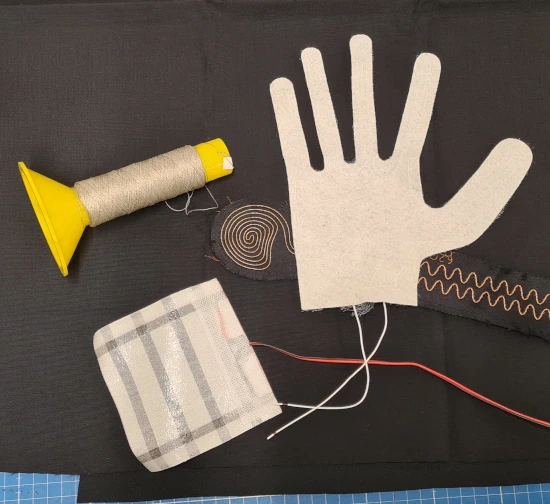
Active textile heating
Integrated heating for thermal comfort, performance maintenance or cold management.
Integrated textile heating offers a decisive advantage in outdoor, medical and endurance sports applications. Unlike rigid solutions, our heating architectures adapt to morphology and movement. Thermal control is handled by embedded driver electronics — with independent zones to target back, lumbar or extremities as needed.
- + Technologies: heating wires, printed tracks, carbon heating
- + Precise thermal control via electronic regulation
- + Ultra-thin, soft and uniform architectures
- + Multi-segment heating zones (back, lumbar, extremities…)
- + Low-power solutions for sport, medical, outdoor and PPE
Electrostimulation (EMS / TENS)
Muscular or nerve stimulation via dedicated textile electrodes.
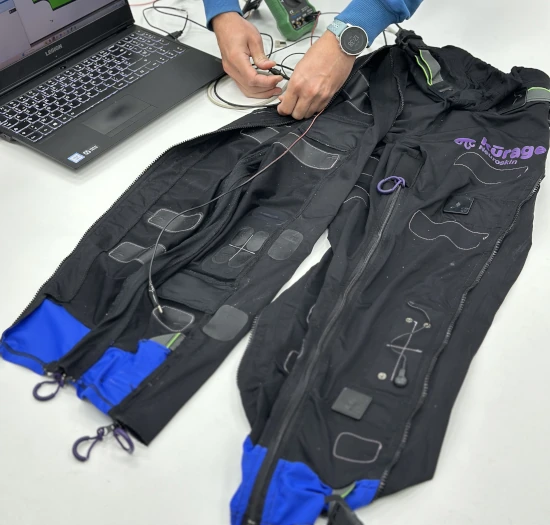
Integrating EMS (muscular stimulation) or TENS (transcutaneous nerve stimulation) into a garment opens up new uses in rehabilitation, performance sports and connected wellness. Our EMS/TENS textile electrodes are developed for stable conductivity, good skin adherence and washability compatible with regular use. The driver module manages amplitude, frequency and stimulation programs.
- + High-conductivity textile electrodes
- + Interconnection and routing inside the garment
- + Validated robustness and washability
- + Sport, rehabilitation and connected health use
Integrated light
Thin, robust and washable lighting solutions for signaling and visual feedback.
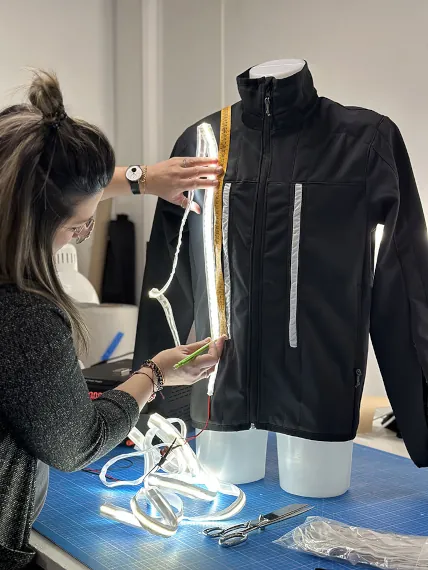
Integrating light sources into a garment addresses safety needs (cyclist and pedestrian visibility), status signaling (alerts, performance levels), or user interaction. We use encapsulated SMD LEDs or textile optical fibers depending on the discretion, flexibility and visual effects sought — with optimized consumption and validated wash tightness.
- + Textile-encapsulated SMD LEDs
- + Textile optical fibers
- + Flexible overmolded LED strips
- + Programmable light effects
Soft & mechatronic actuators
Integrated actuation capable of local deformation or mechanical force.
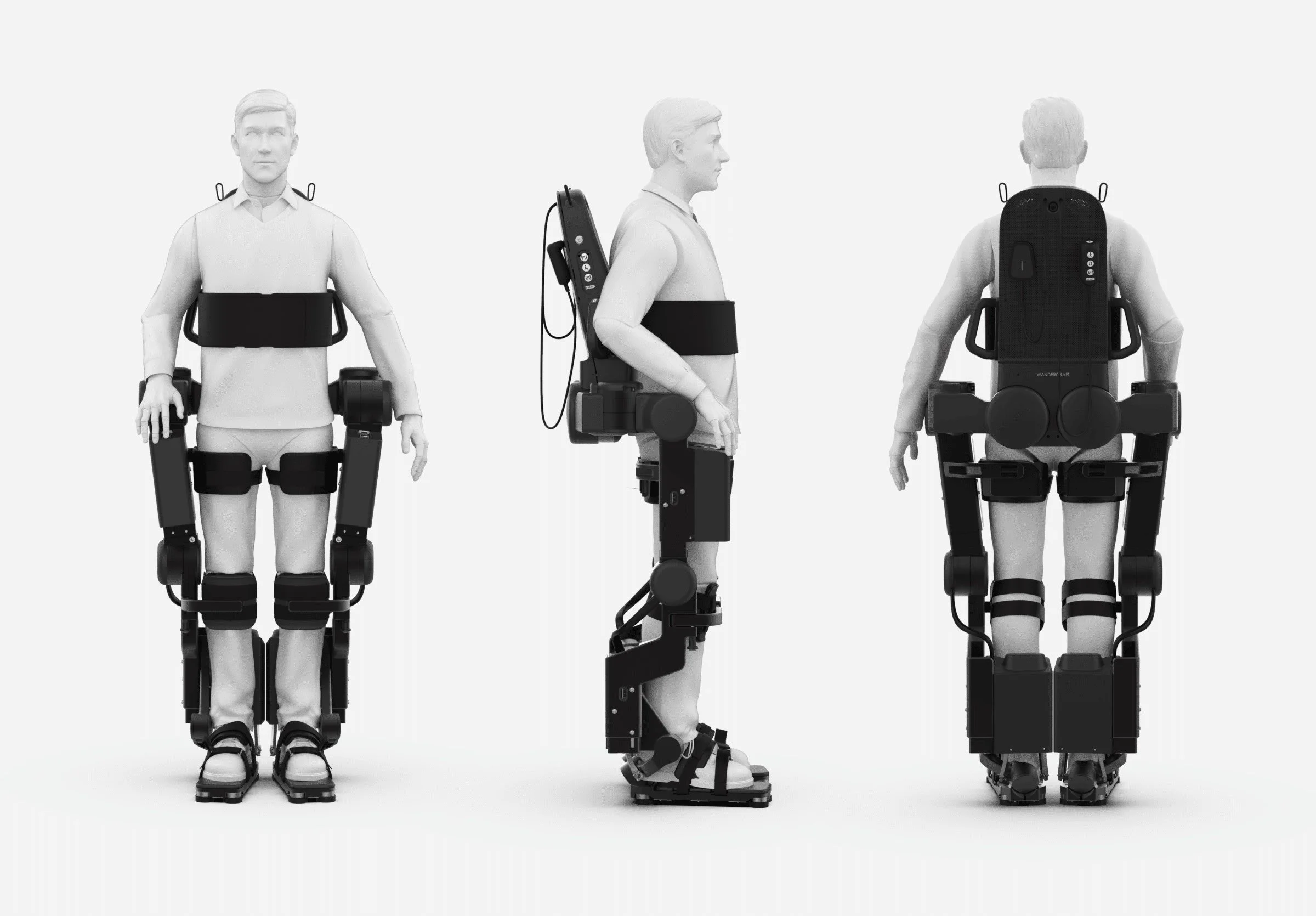
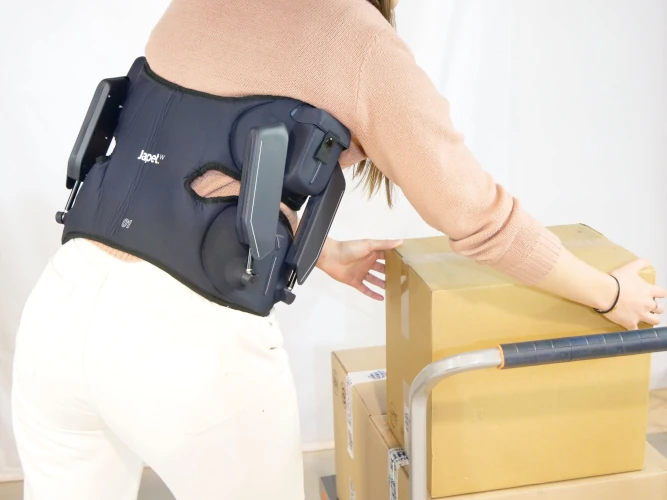
Some applications require direct mechanical action on the body or equipment: active compression, soft exoskeleton, protection triggering, thermal insulation by inflation. These mechatronic actuators combine the softness of textile and the precision of mechanical actuation. They build on our expertise in inflatable systems for pneumatic architectures.
- + Miniature integrated inflatable structures
- + Soft mechanical load support
- + Textile springs and elastic architectures
- + Programmable active actuators
Encapsulation & overmolding
Silicone, TPU — durable, sealed and washable integration for each type of actuator.
Testing & control
Vibration, EMS, light benches and consumption measurement — systematic in-house validation.
Textile integration
Stitching, lamination, soft modules, multi-material assembly adapted to each actuator.
Embedded electronics
Low-power drivers, control firmware, multi-zone management and wireless connectivity.
Our resources dedicated to textile actuators
AQ-Tech operates a dedicated workshop and lab to design and validate textile actuators: silicone and TPU encapsulation equipment, vibration and EMS test benches, light tests, consumption measurement and multi-material equipment. The driver electronics are developed in-house — from board to firmware — with the same team that integrates the actuators into the textile.

Projects delivered with textile actuators
Van Rysel
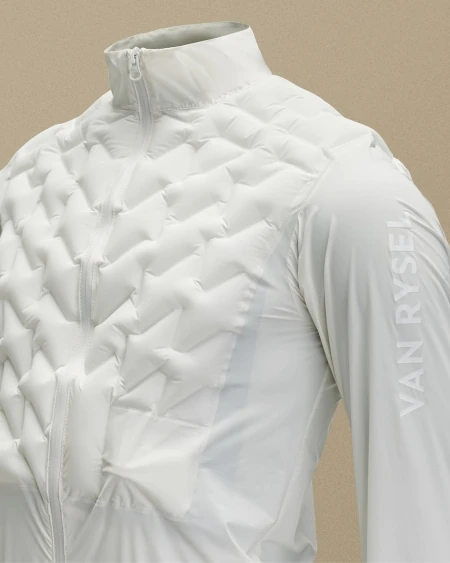
Van Rysel (Decathlon) inflatable cycling vest with on-demand thermal insulation: HF-welded TPU envelope, smart pump unit and embedded electronics developed by AQ-Tech.
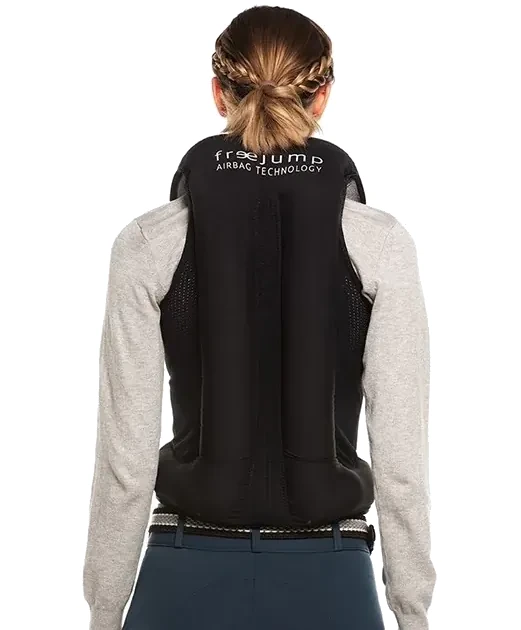
FreeJump
FreeJump equestrian wearable airbag vest: HF-welded inflatable textile structure, CO2 inflation system and sensor-triggered deployment engineered by AQ-Tech.
AQ-Tech's Smart Textile ecosystem
The other pages of our Smart Textile division
Textile actuators fit into a complete development chain: sensors (measurement loop), connected garment, product integration, prototyping and industrialization — all mastered in-house.
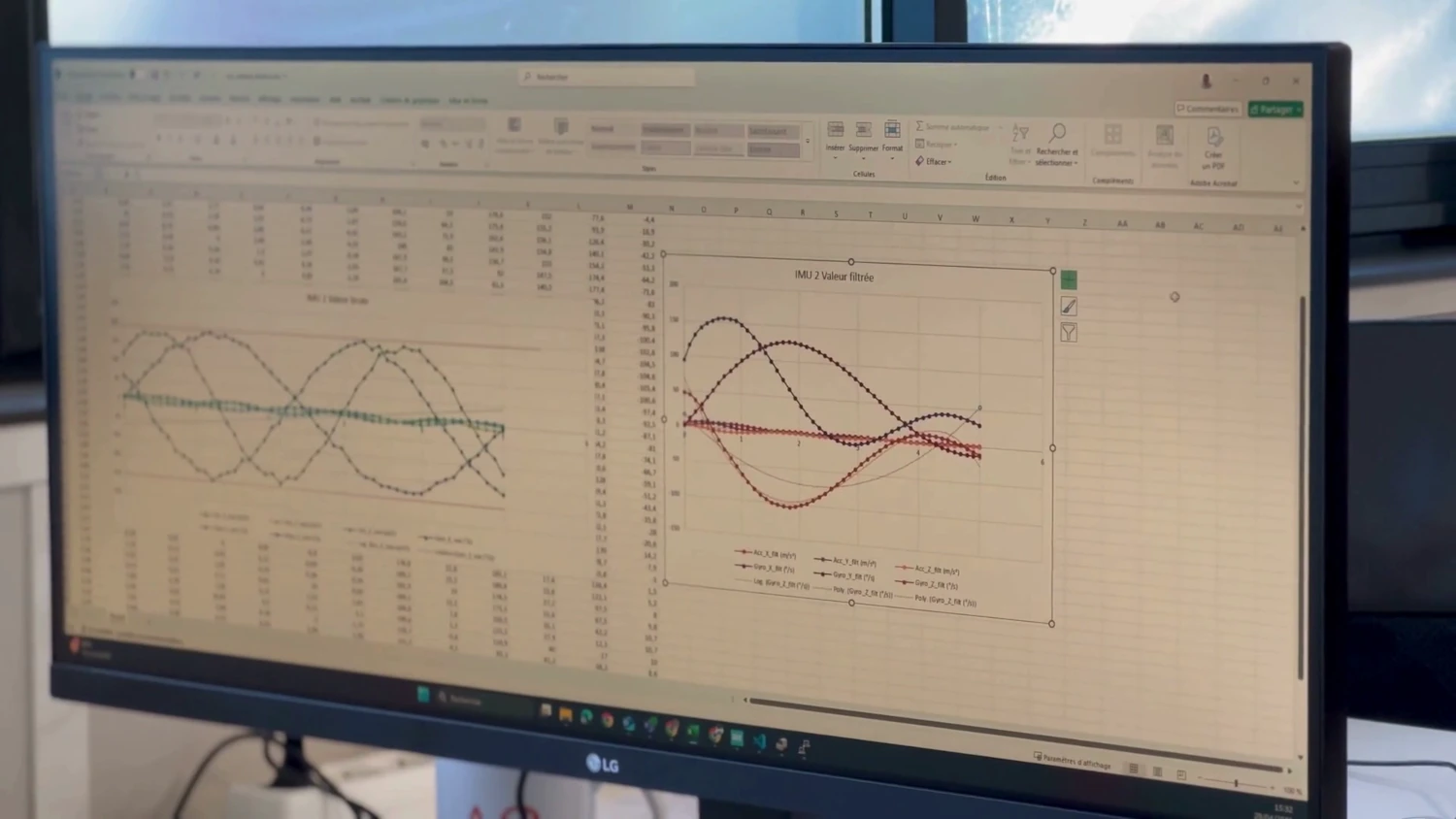
Integrated textile sensors
ECG/EMG electrodes, IMU, respiration, temperature and flex sensors integrated into the textile.
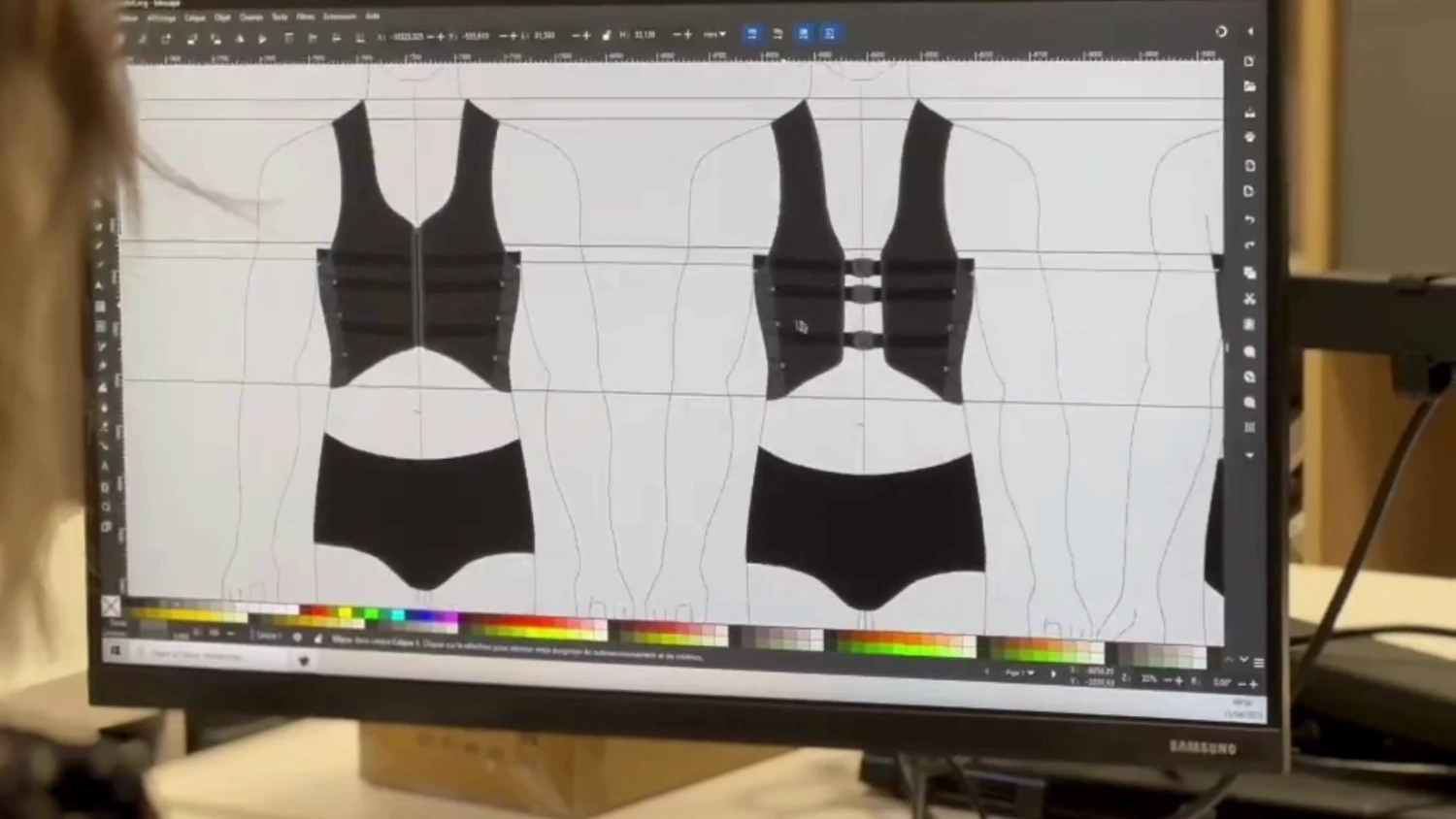
Connected garment development
E-textile architecture, functional pattern-making and integration of active components in the garment.
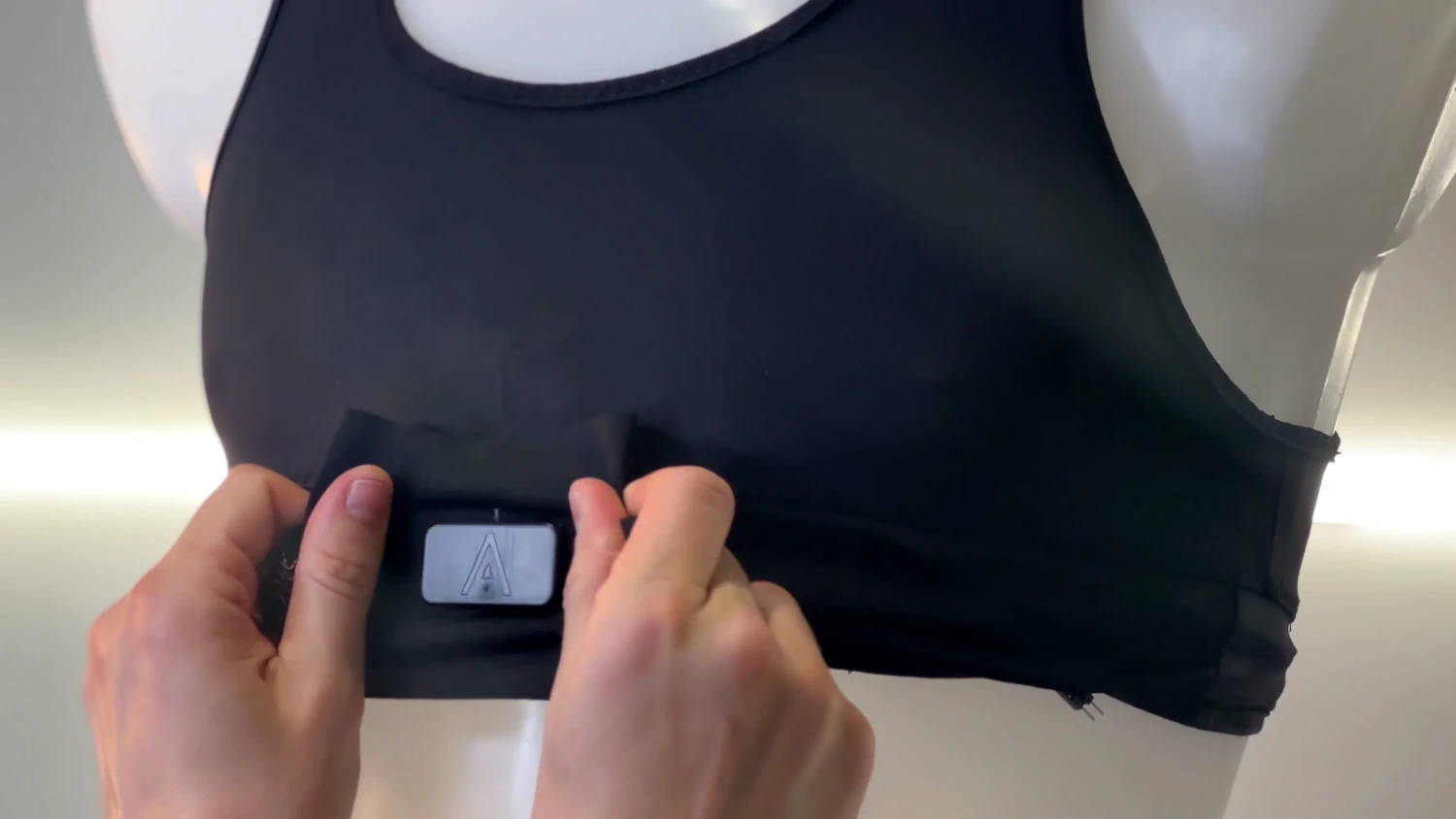
Smart Textile product integration
Overmoulding, washable connectors and flexible mechatronics to move from sensor to finished product.
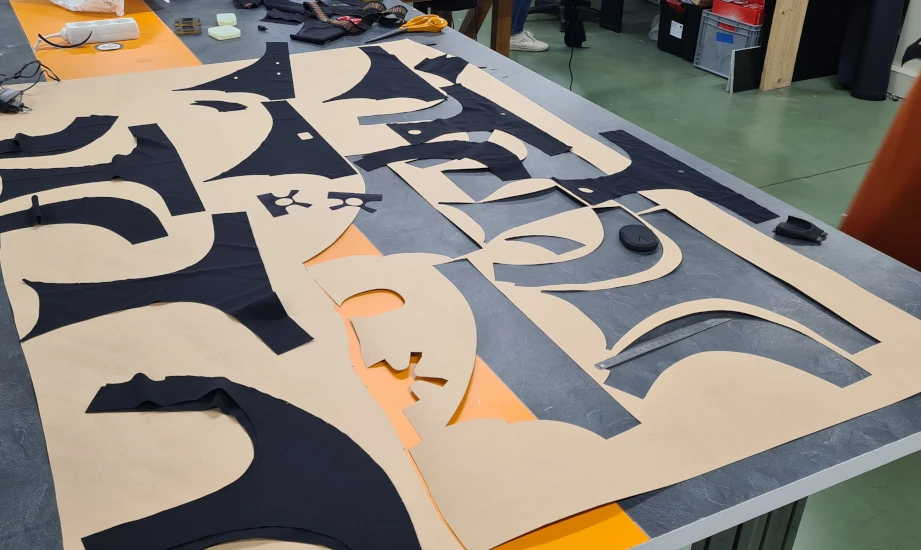
Prototyping & validation
Functional prototypes, signal testing (ECG/EMG/IMU), washing campaigns and iterations toward pre-series.
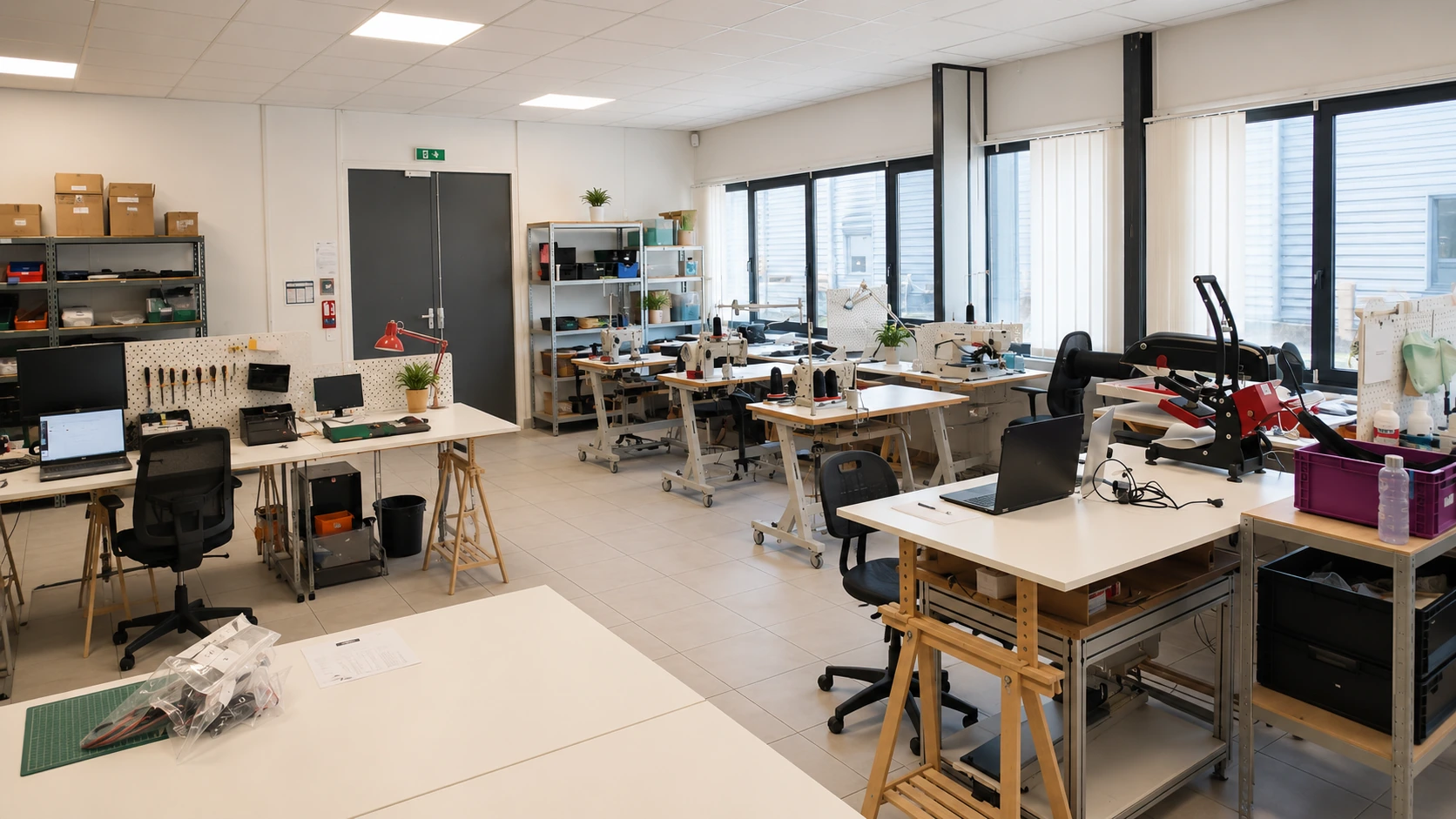
Smart textile industrialization
Reproducible processes, quality control and CE/MDR documentation for series production.
Our expertise at the service of your textile actuators
At AQ-Tech, developing integrated textile actuators mobilizes several in-house expertises: technical textile for integration, encapsulation and washability of active components; embedded electronics for drivers, control firmware and energy management; and mechanical engineering for actuators requiring deformation or physical force (soft actuators, pneumatic structures).
For applications requiring pneumatic action or an integrated airbag, our textile actuators leverage directly our Inflatable Systems — a unique expertise combining technical textile, HF welding and triggering electronics. Our target sectors are performance sports, medical (rehabilitation, Class I and II medical devices) and industry (active PPE, ergonomics, protection).
The development of a complete smart garment — sensors, actuators, firmware and industrialization — is handled by our Smart Textile division, in connection with our prototyping and validation and then pre-series manufacturing services.
Frequently asked questions — Integrated textile actuators
What types of actuators can you integrate into a textile?
Haptic vibration motors (ERM, LRA), textile heating systems (heating wires, printed tracks, carbon), EMS/TENS electrostimulation, integrated light (encapsulated SMD LEDs, optical fibers) and soft mechanical actuators (inflatable structures, textile springs, soft exoskeletons). Each technology brings different integration, power and washability constraints — we establish a technical scoping with you from the start.
Are textile actuators washable?
Yes. Our architectures use silicone or TPU encapsulation techniques allowing repeated washing without degrading performance. The protection level (IPX) and the number of validated wash cycles depend on the actuation technology — we define these requirements during the design phase and validate them on prototypes before the pre-series.
Can several types of actuators be combined in the same garment?
Yes. We design synchronized multi-actuator systems: haptics + light + EMS + sensors, driven by a single embedded board. The complexity lies in energy management (heating draws a lot, vibration little) and in the electrical distribution architecture inside the garment — constraints we handle in-house with our textile and electronics expertise.
Do you develop the driver electronics for the actuators?
Yes, systematically. We develop drivers (motors, LEDs, EMS), power modules for heating, multi-zone control firmware and wireless connectivity (BLE, ANT+). The advantage: the engineer who integrates the actuator into the textile is the same one who designs the driver circuit — placement, wiring and consumption constraints are solved together.
What are the possible applications for textile actuators?
Applications are broad: haptic guidance for navigation or posture (sport, industry), active heating for outdoor, medical and PPE, EMS/TENS for rehabilitation and muscular stimulation, light signaling for safety and visibility, and pneumatic actuators for protection (airbag, active compression). Each project begins with a functional scoping phase to identify the most suitable technology.
What are the lead times for developing a garment with integrated actuators?
For a functional prototype with a single type of actuator: 6 to 10 weeks. For a multi-actuator system with full firmware: 3 to 5 months. For a certified industrial pre-series (50 to 200 units): 5 to 8 months in total. These lead times vary depending on integration complexity, the level of washability required and certification constraints (CE PPE, medical MDR). We provide a detailed schedule from the start.

Let's develop your textile actuators together
AQ-Tech designs, integrates and industrializes your textile actuators — vibration, heating, EMS, light and soft mechatronics — with embedded electronics, firmware and washability validation. Reply within 48h.