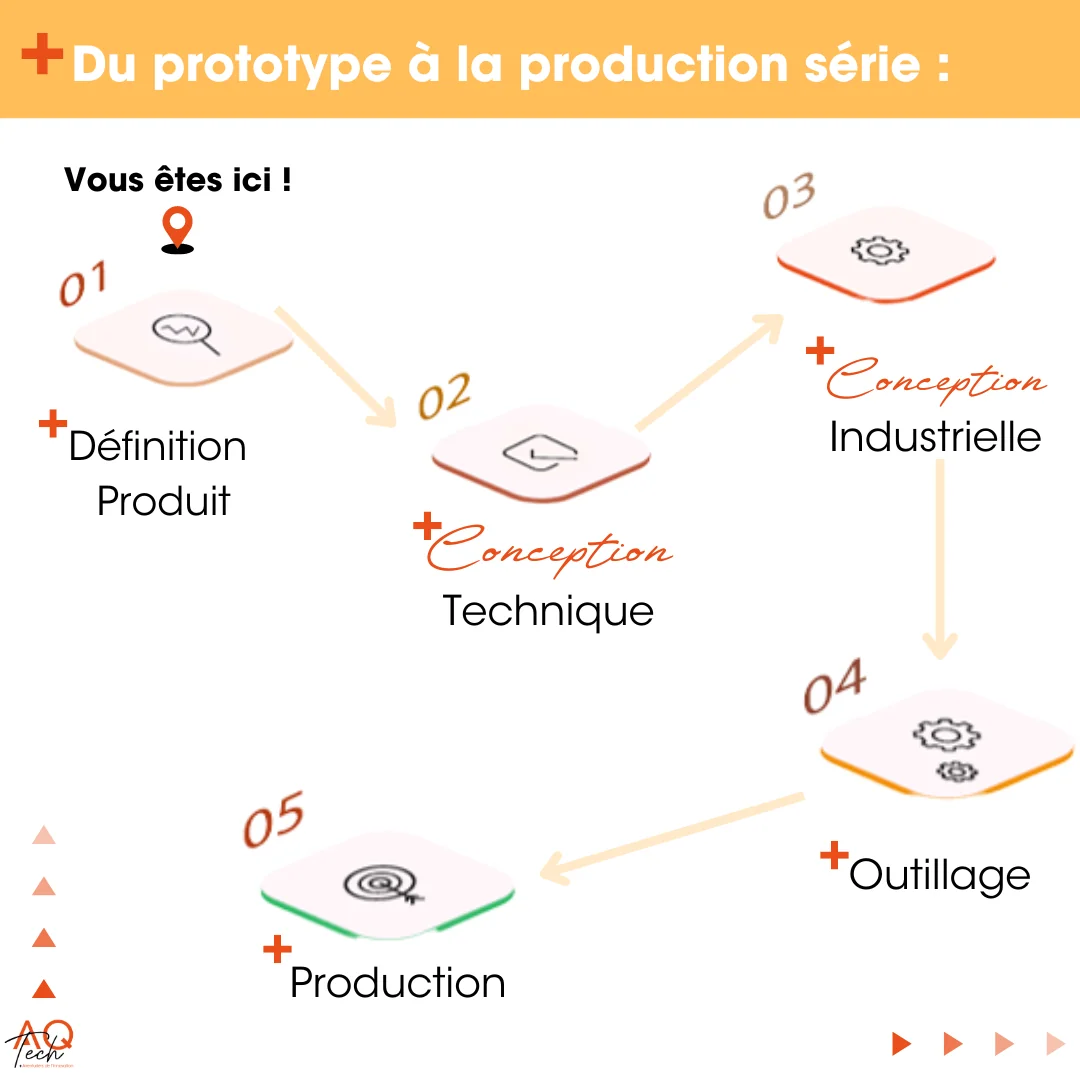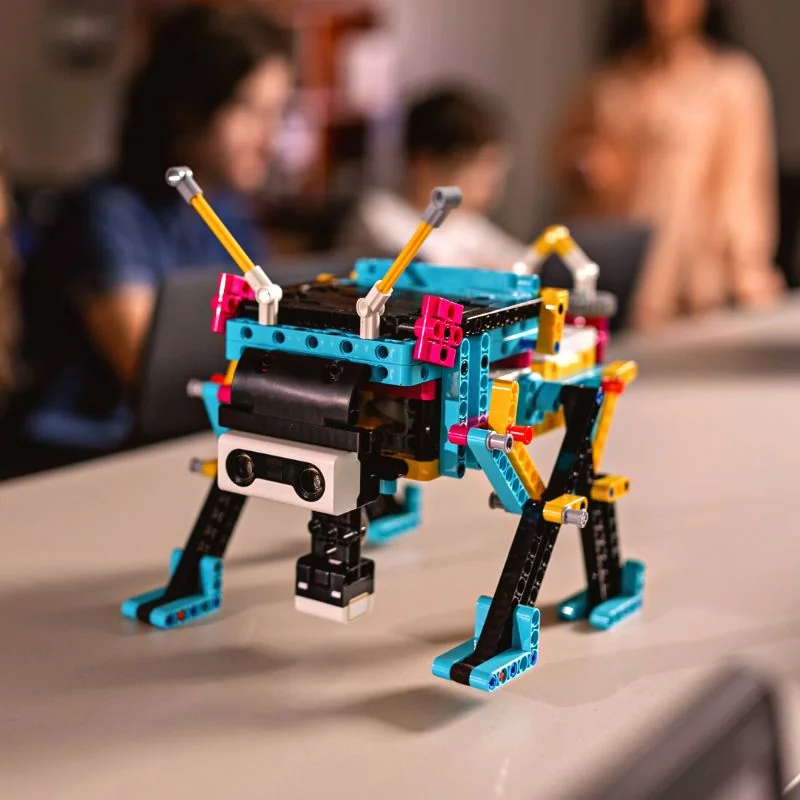



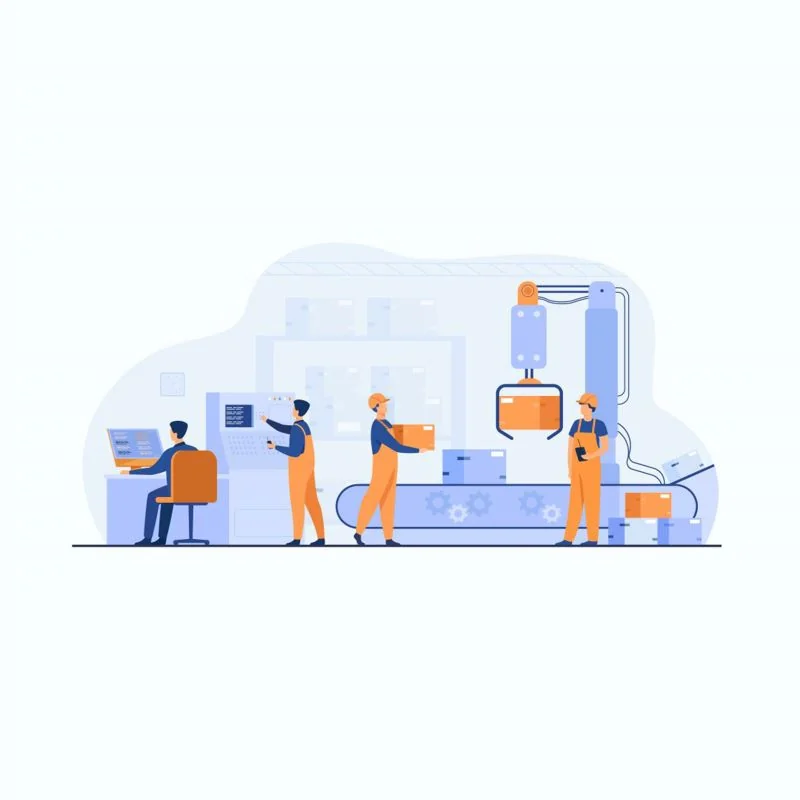
When launching a new hardware product, small batch production management is often the trickiest stage to navigate. Whether you are an early-stage start-up bringing an innovation to market or an established brand serving a high-value niche, building a few hundred units always raises the same challenges: cost, lead time, industrialisation and quality.
At AQ-Tech, we partner with many product owners facing this exact problem. Below are our practical recommendations for succeeding with your first low-volume manufacturing runs in Europe, without compromising long-term industrial viability.
1. Define the goal of your first production runs
Before producing anything, clearly define your objectives. Priorities differ depending on your situation:
- Scenario A: your product is aimed at mass production.
In this case, the pilot run will not be profitable in the short term: its purpose is not to generate margin but to validate the product on the market. You need to observe user feedback, test real-world manufacturing and refine processes before the industrialisation phase. These early units are the final stage of technical and commercial validation.
- Scenario B: your product targets a niche market.
Volumes are lower but unit margins are higher. Your first batches are there to stabilise the manufacturing process: quality control, dimensional adjustments, supply chain testing and cost optimisation. The goal is not immediate profitability but medium-term reliability.
2. Tooling: invest at the right time
Production tooling — particularly injection moulds — is long and expensive to develop. Lead times are significant, and any later modification adds cost.
It is therefore unwise to commit to a production-grade mould too early. Wait until the product design is locked before placing that investment. While you are still iterating, favour temporary solutions:
- Vacuum casting: fast production of near-industrial plastic parts without a final mould.
- 3D printing (SLA, SLS, MJF): ideal for validating shapes and functions without heavy investment.
- CNC machining and sheet metal work: well suited to small metal batches, easy to modify.
These processes deliver clean, reliable parts while postponing tooling investment. Depending on product maturity, this is a prudent and cost-effective strategy for your first batches.
Need help structuring this phase? Discover our in-house manufacturing services.
3. Component sourcing for low volumes
Another major challenge: sourcing components at a reasonable cost for limited quantities. Suppliers apply volume-based pricing, and the unit price of the same component can vary by a factor of 10 between 100 and 10,000 units.
Our recommendation: identify your critical components early and freeze their references. This allows you to:
- negotiate better pricing,
- secure continuity of supply,
- and avoid stockouts — especially common in electronics.
Anticipate storage conditions as well: some components sensitive to moisture or temperature require dedicated handling.
4. Assembly: in-house or outsourced?
Assembly is often underestimated. Producing parts is one thing; assembling a complete product with consistency, quality and speed is another.
Option 1: assemble in-house. The most flexible and economical option at start-up. It allows you to:
- learn each step of the assembly,
- optimise gestures and sequences,
- control quality directly on the line.
But this approach demands time, rigour and precision. Without an industrial method, errors quickly compound and slow production.
Option 2: outsource assembly to an industrial partner. This delivers a professional result but implies high fixed costs and significant training and follow-up effort. On small series, the payback is rarely immediate.
That is why AQ-Tech has built an in-house micro-factory dedicated to pilot runs and small-series assembly in Europe. We design smart, modular and low-cost tooling, enabling fast assembly of your products while maintaining industrial-grade quality.
5. Key takeaways
Small batch production is a critical step between prototype and mass production. Although complex, it lets you validate your technical and economic choices. By anticipating tooling, sourcing and assembly challenges, you stack the odds in your favour.
If you are looking for a European partner to support this strategic phase, contact our team: we will help you move from prototype to production with confidence.