

The development of a technical textile product — whether a smart garment, a medical device, an inflatable textile or PPE — relies on a rigorous, multidisciplinary method. At AQ-Tech, this approach combines design, engineering, materials and industrialization to turn an idea into a tangible, high-performance and certifiable product.
Let's explore the six key stages that structure the textile product development process for an innovative product.
1. Needs analysis and specification definition
Objective: Lay the foundations of the project by identifying expectations, use cases and technical constraints of the future product.
- Analysis of the functional need (protection, comfort, measurement, aesthetics).
- Consideration of usage constraints (washability, breathability, durability).
- Identification of applicable regulations (PPE, medical, defense, sports, etc.).
A clear and complete specification is the foundation of every successful project. It drives the choice of materials, processes and technical partners.
2. Material research and selection
Objective: Select the textiles and components that match the technical and aesthetic requirements of the product.
- Material choices: woven, knitted, nonwoven textiles, membranes, films, coatings.
- Property assessment: flexibility, conductivity, permeability, elasticity, mechanical strength.
- Consideration of sustainability and environmental impact (recycled, biobased, certified textiles).
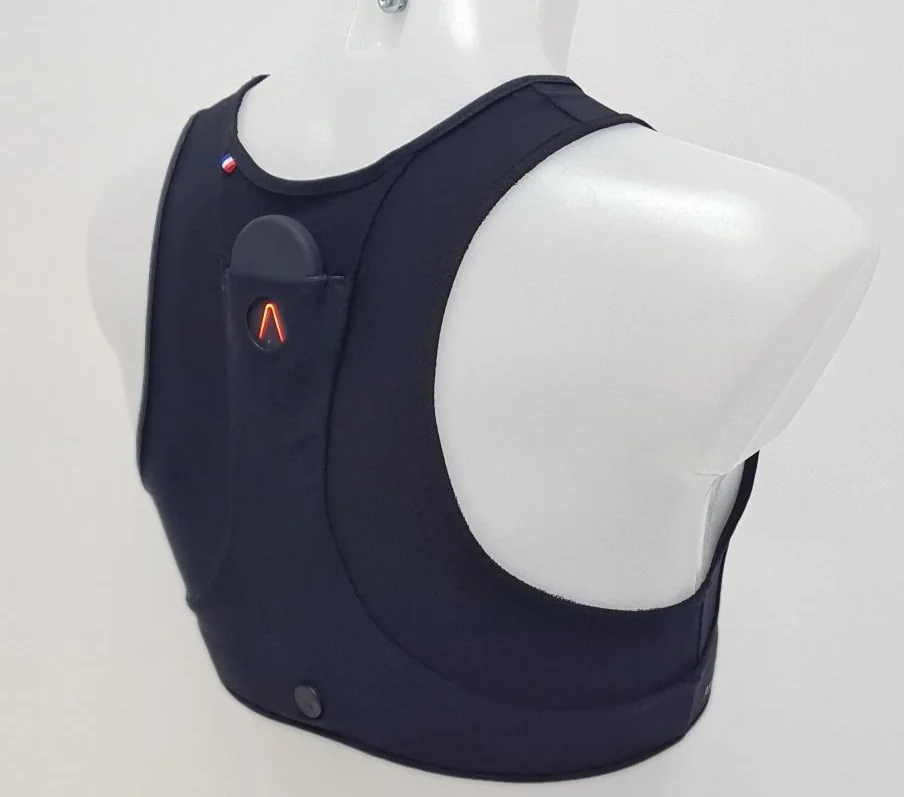
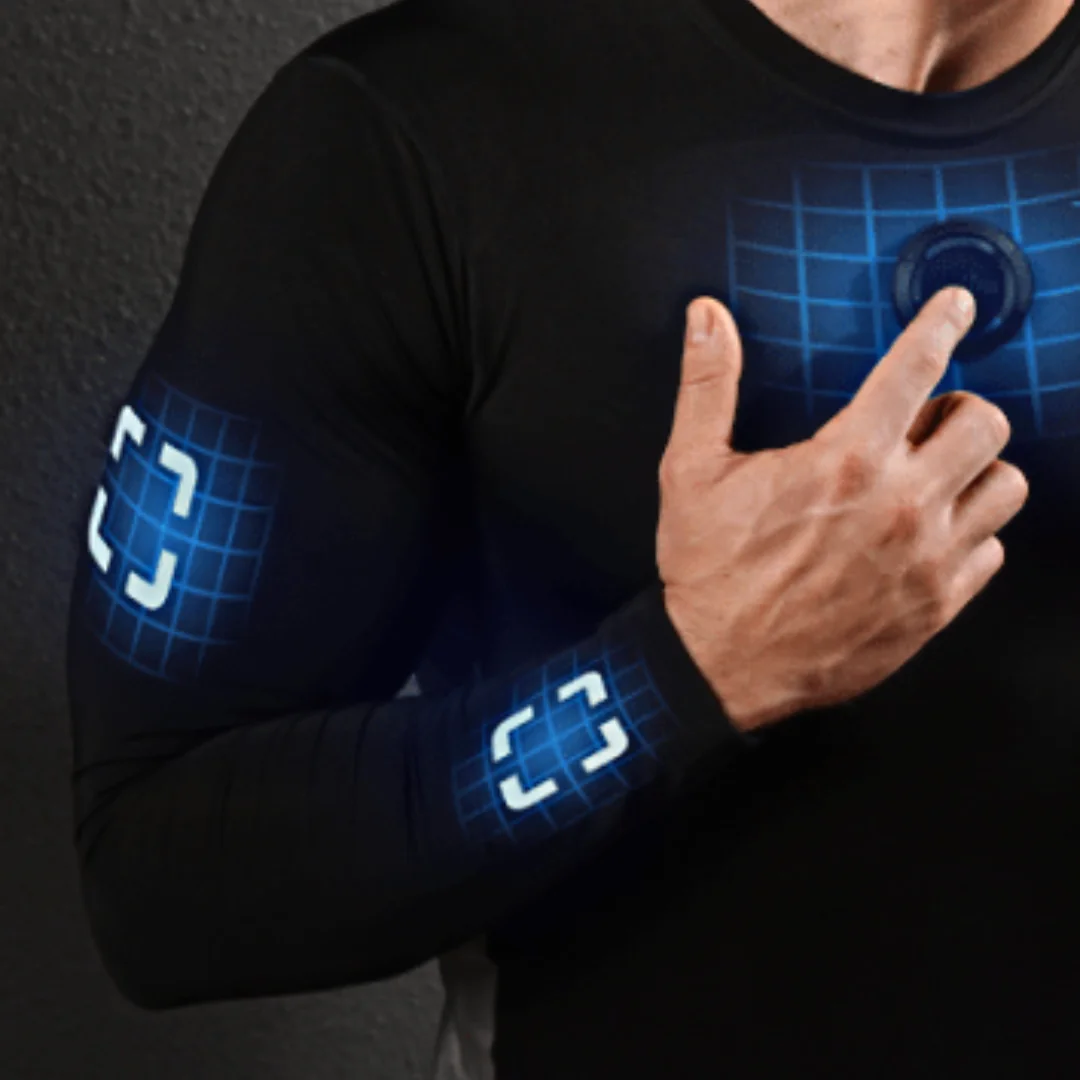
At AQ-Tech, we combine textile expertise and electronics engineering to integrate advanced functions such as sensors and connected circuits (smart textiles).
3. Design and prototyping
Objective: Give shape to the idea and validate the technical and functional feasibility of the concept.
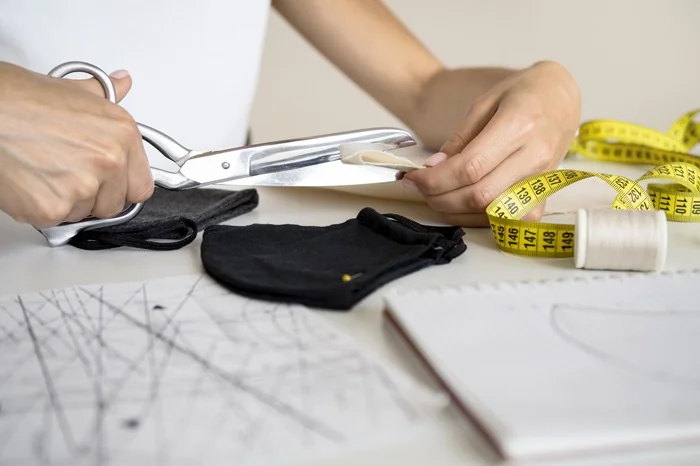
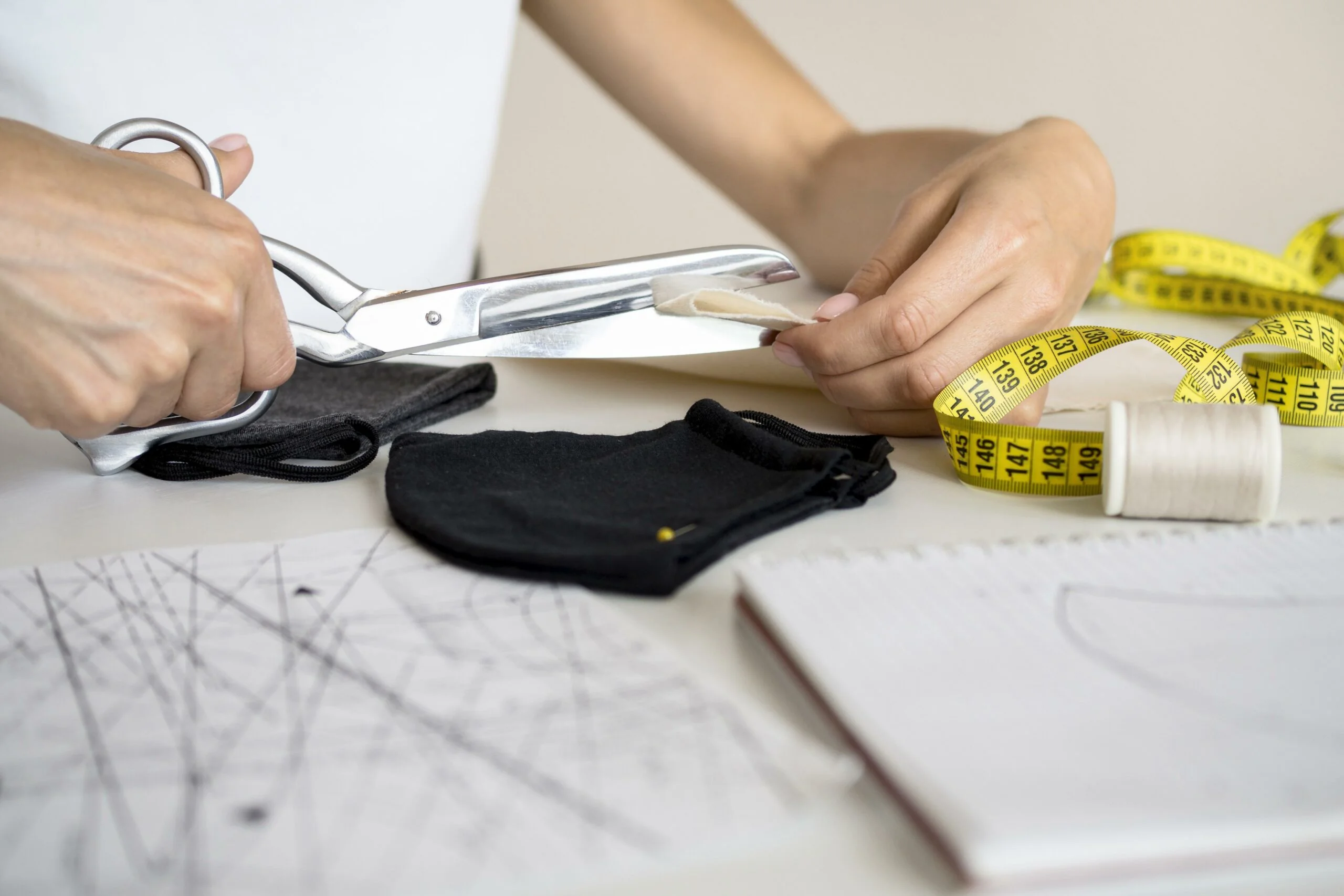
- Creation of patterns and assembly drawings.
- Definition of functional areas (sensors, modules, inflatable zones, connectors).
- Assembly and build of a first functional prototype.
This phase is often iterative: each prototype helps refine the technical and material choices before final validation. To learn more about the manufacturing process, see our Prototyping page.
4. Testing and validation
Objective: Verify that the product complies with its specifications and real-world usage conditions.
- Mechanical tests: tensile strength, tear, abrasion, watertightness, wash durability.
- Functional tests: sensor accuracy, comfort, thermal or breathability behaviour.
- Compatibility with electronic modules and integrated circuits.
Test results guide optimizations before moving to pre-production. Each validation step strengthens product reliability and reduces risks during the industrial phase.
5. Pre-production runs
Objective: Produce a small batch of parts to validate the manufacturing processes and assembly quality.
- Production testing under real conditions.
- Measurement of cycle times and assembly tolerances.
- Validation of repeatability and finished-product quality.
Pre-production runs are essential to fine-tune industrial parameters before scaling to full production. This stage reduces non-quality costs and ensures process stability.
6. Industrialization
Objective: Launch series production within a controlled and repeatable framework.
- Writing the complete technical file (process sheets, drawings, BOMs, work instructions).
- Creating manufacturing tools (jigs, moulds, cutting or welding machines).
- Selecting the industrial partner suited to the product complexity.
- Implementing a quality control plan and full traceability.
- Optimizing production costs and output rates.
Thanks to its experience in textile industrialization, AQ-Tech supports its clients all the way to series manufacturing, with full technical and quality oversight.
Conclusion
Developing an innovative textile product is a demanding process that combines creativity, technical rigour and industrial strategy. From the first idea to production, each stage contributes to the performance, reliability and commercial success of the product.
At AQ-Tech, we put our expertise at the service of your textile projects: smart textiles, inflatable structures, or custom technical textiles. Contact our engineers to turn your idea into reality.