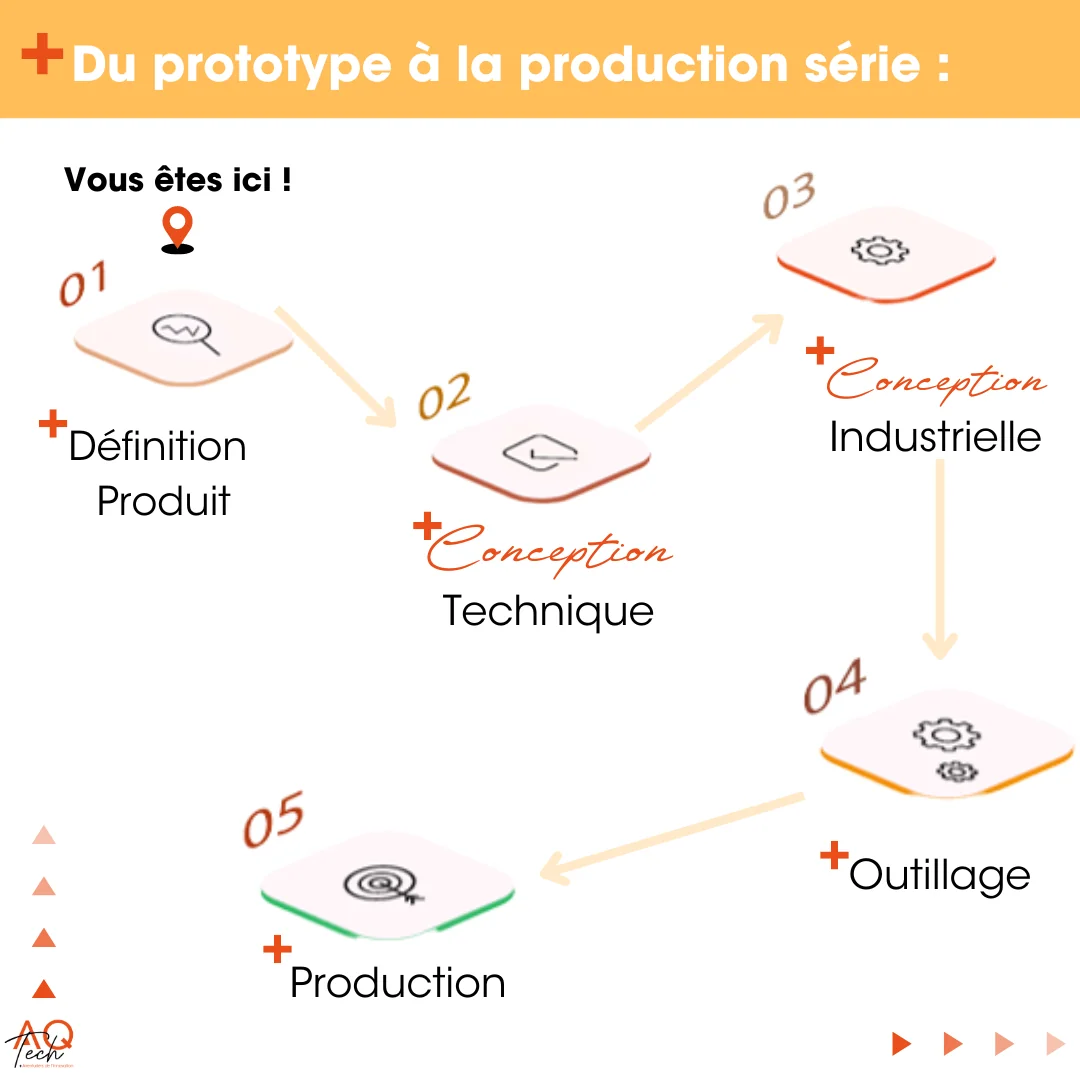



At AQ-Tech, our mission is to turn an idea into a real, working product. We optimize design, usage and reliability to move an innovation from concept to industrial reality - fast, methodically and efficiently. Iterative prototyping is the backbone of how we get there.
On wearable products - connected garments, textile airbags, soft exoskeletons - agile prototyping is even more critical: the interaction between soft materials, embedded electronics and a moving human body cannot be fully modelled. You have to test, measure, adjust and repeat. Here are our best recommendations to prototype smartly through iteration.
1. Define your product upfront - but not too much
Before jumping into development, you need to set the basics: core functions, target users, use cases, target price and added value versus what already exists. These simple questions help prioritize.
But be careful not to freeze the design or the full specification too early. Until the core functions are validated, everything else must stay flexible. Trying to integrate everything from day one - design, options, accessories - leads to a complex, expensive product that is hard to evolve.
For a wearable, keep in mind: the position of the electronics module, the sensor type and the connectivity protocol may evolve during the project based on user feedback. What must stay locked: the end-user need (measure this metric, alert on this event, and so on).
2. Validate priority functions - as early as possible
Core principle: the product that is perfect for you is not necessarily the one your customer expects. You have to test as early as possible, even with an imperfect prototype. The point is to observe how users react, not to show a "finished" product.
On a wearable product, the first tests should cover:
- Wearing comfort during real movement (sport, work, sleep depending on use case)
- Signal quality in conditions where the wearer perspires and moves
- Battery autonomy over a full session
- Ease of use: donning, charging, removing the module for washing
At AQ-Tech, we always recommend having prototypes tested by real target users rather than by friends and family. Feedback from your actual user base is the best foundation for guiding development.
3. Iteration: the success factor on a wearable
The iterative approach rests on a simple principle: test, learn, fix, repeat. Each prototype must validate one specific stage.
On the projects we run, we typically count 3 to 6 iterations before reaching pre-series:
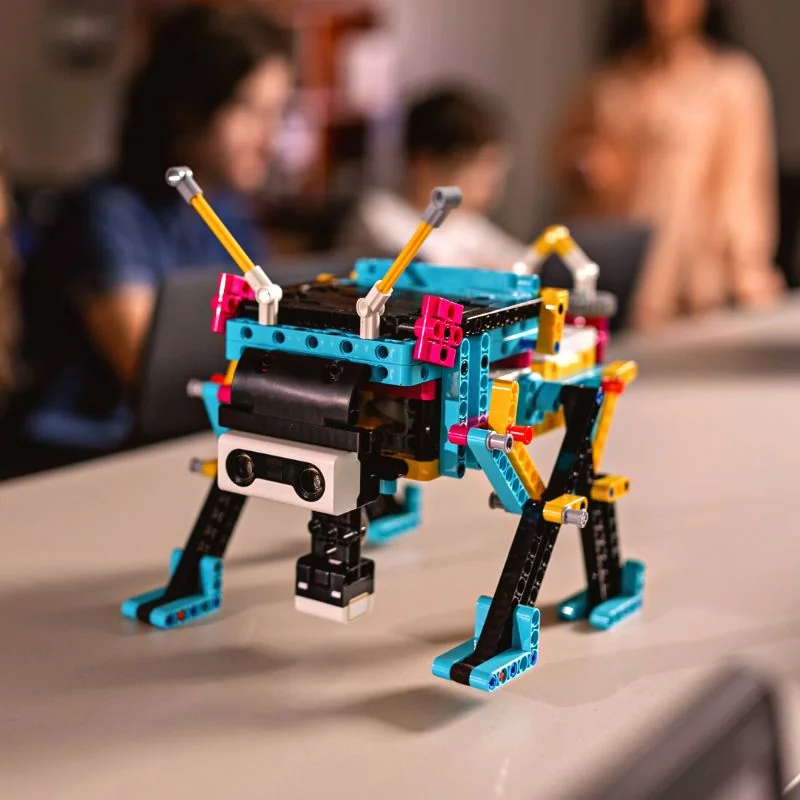
- Iteration 1: functional proof of concept with off-the-shelf components and basic textile
- Iteration 2: textile ergonomics optimization, first user tests
- Iteration 3: dedicated PCB, battery autonomy optimization
- Iteration 4-5: washability, robustness and real-world condition testing
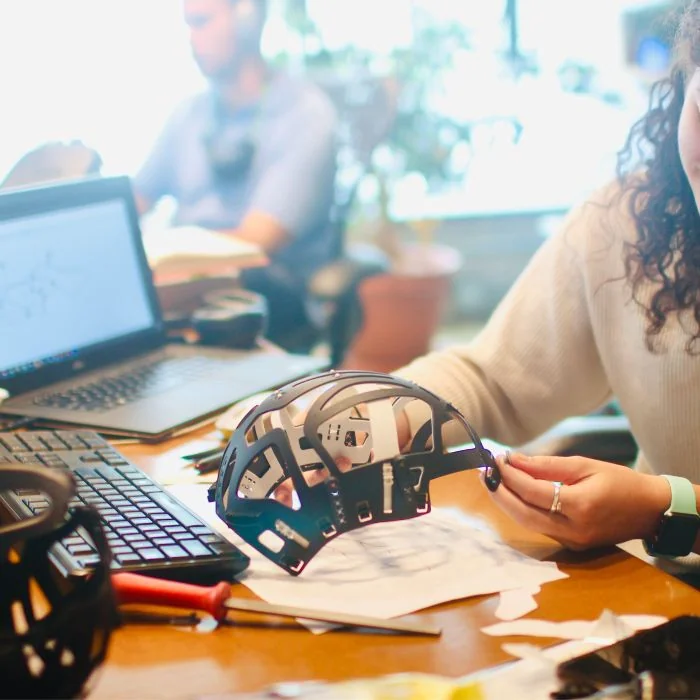
- Iteration 6: pre-series version compliant with industrial requirements
Across iterations, the prototype becomes a near-faithful copy of the final product, while being validated technically, ergonomically and by users. This is the method that ensures a smooth transition from prototyping and testing to product industrialization.
Our AQ-TIPS
- Clearly identify the product's priority functions.
- Test as early as possible, even with "ugly but functional" prototypes.
- Have external users test - not your own team.
- Build continuous improvement into every version cycle.
- On a wearable: never skip real-world testing (perspiration, washing, intense movement).
In conclusion
Many people think they save time by designing the final version straight away. In practice it is the opposite: development without iteration leads to costly mistakes and longer timelines - especially on wearable products, where real-world use always differs from the initial specification.
Iterative prototyping is a success enabler. It lets you secure your investment, understand your users and validate every step of development.