
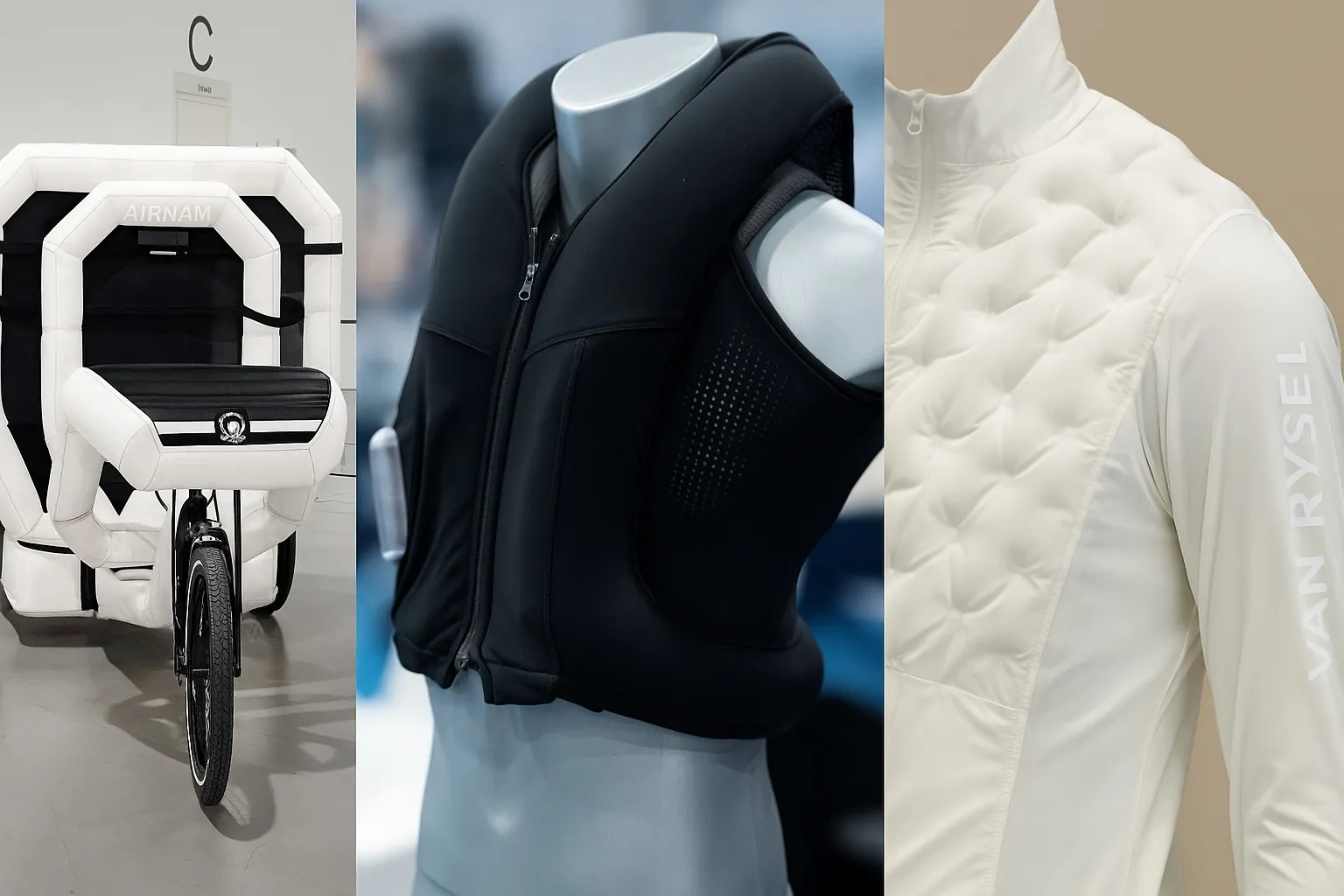

Custom Inflatable Systems
HF Welding, Technical Airbag & Soft Inflatable Structures

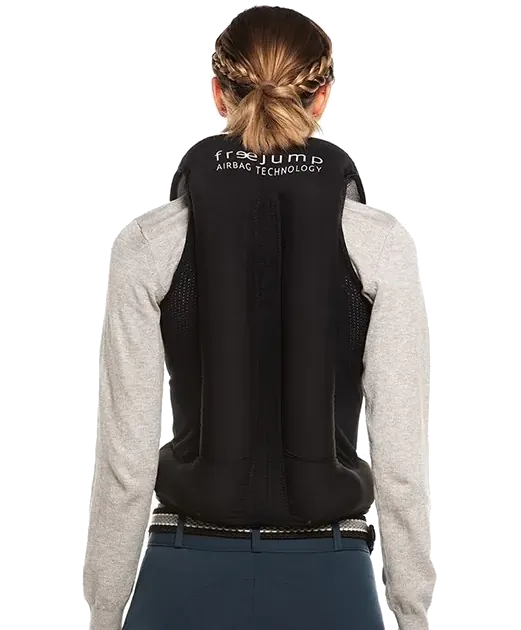
Our capabilities in technical inflatable systems
From design to manufacturing, we master the materials, processes and engineering of pressurised soft structures — to create reliable, precise and industrialisable inflatable systems.
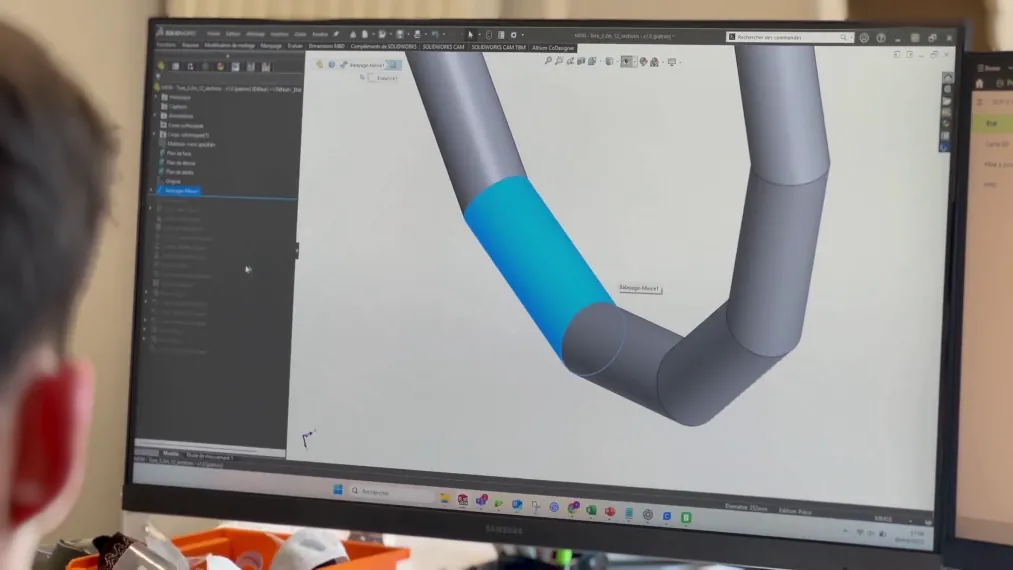
Design & dimensioning
Designing high-performance, lightweight and safe structures.
- + Shape, volume and pressure behaviour study
- + Mechanical simulation and resistance validation
- + Selection of technical fabrics, coatings and membranes (TPU, PA, PVC, silicone)
- + Integration of valves, air channels and structural reinforcements
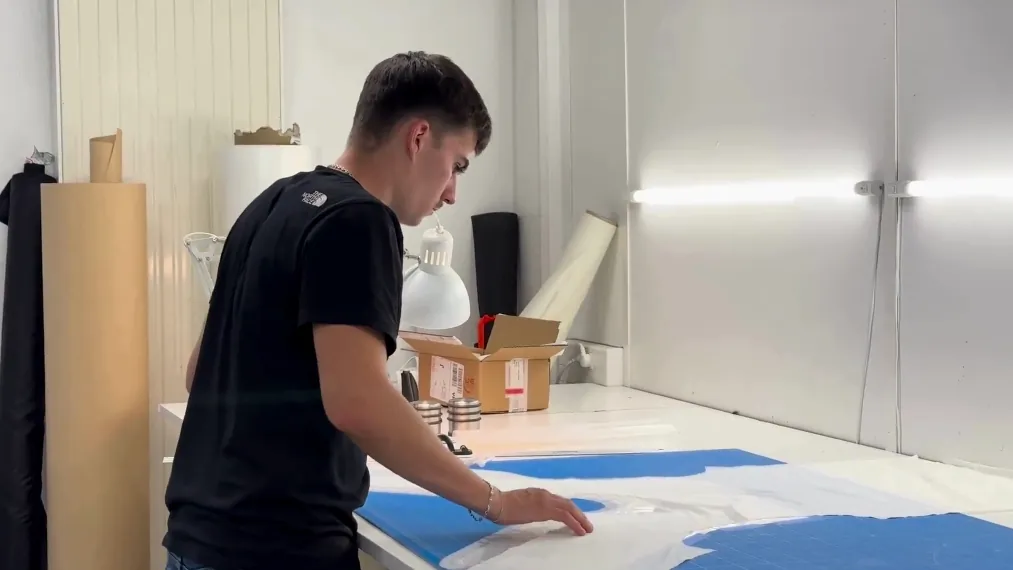
Prototyping & functional validation
Turning the concept into a tangible, tested product.
- + Functional prototype production in our workshop
- + Development of assembly and sealing processes
- + Inflation, pressure resistance and cyclic durability tests
- + Iterative adjustments to optimise performance and comfort
- + Preparation for pre-series or industrialisation phase
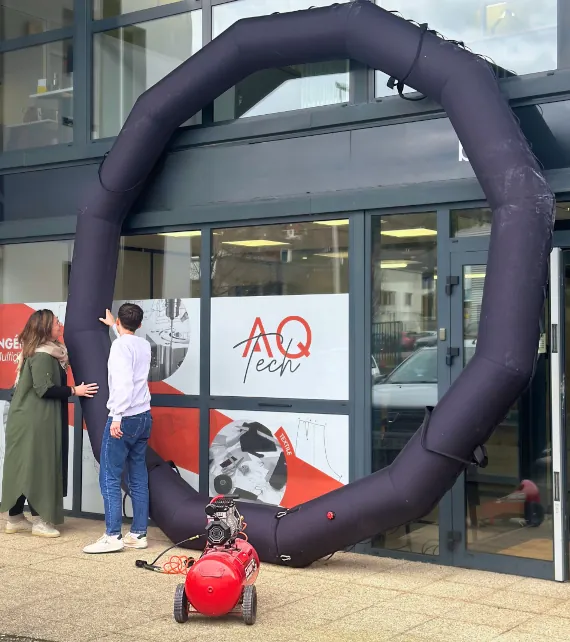
Watertight technical structures
Robust, perfectly sealed soft envelopes.
- + High-frequency (HF) welding, heat-bonding and adhesive bonding
- + Multi-material assembly and mechanical reinforcements
- + Sealing checks and pressure tests
- + Integration of valves and air regulation systems
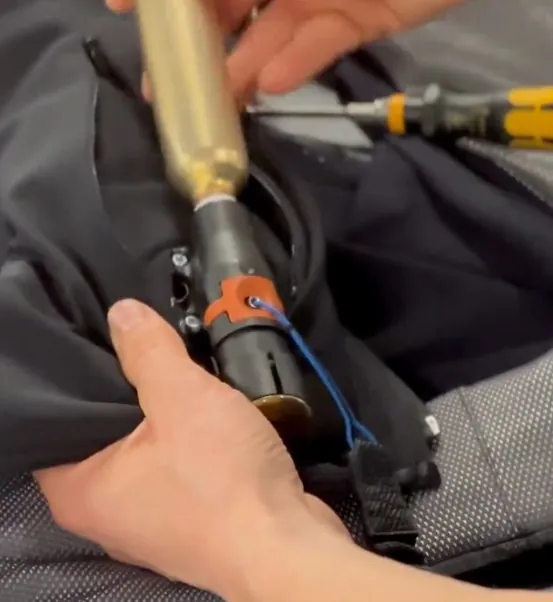
Technical airbag & impact absorption
Effective protection while maintaining lightness and compactness.
- + Definition of inflation zones and absorption volumes
- + Deployment speed and reaction time analysis
- + Integration of fall or impact sensors
- + Custom gas generator (CO₂, electronic)
- + Mechanical validation, endurance testing and CE/PPE file
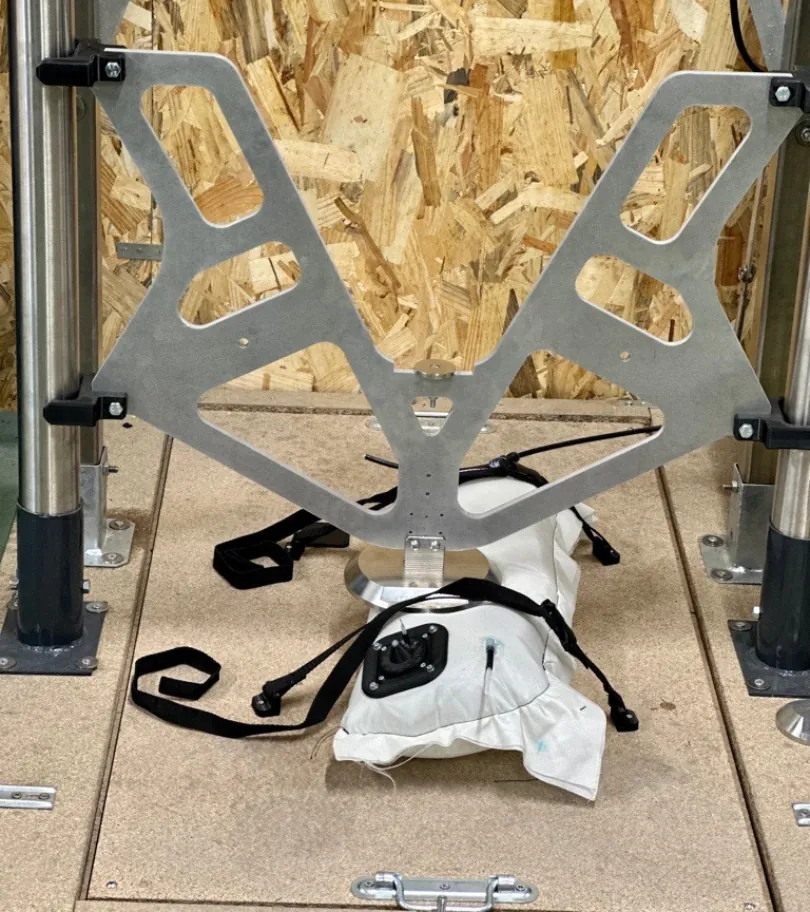
Validation & certification
Guaranteeing the compliance, safety and durability of every product.
- + Resistance, overpressure and lifecycle tests
- + Functional validation: absorption, deployment, sealing
- + CE, PPE or medical (MDR) certification support
- + Manufacturing files, traceability and quality documentation
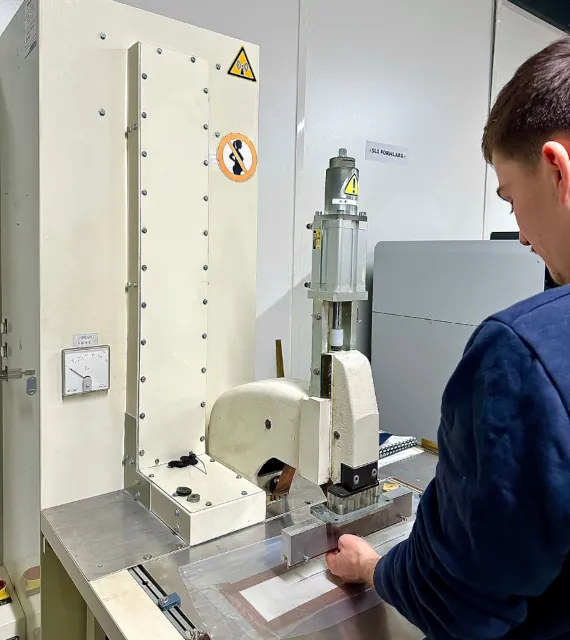
Manufacturing & industrialisation
Controlled, reproducible and verified production.
- + Stitching, HF welding, adhesive bonding and overmoulding assembly
- + Quality control, sealing and overpressure tests
- + In-house pre-series (10 to 500 units) and industrial transfer
- + Production monitoring, traceability and documentation
HF Welding & Heat-bonding
High-frequency welding machines, heat press and soft assembly equipment.
Testing laboratory
Pressure test bench, drop tower, high-speed camera and sealing measurement.
Technical materials
TPU, PVC, silicone fabrics, composite membranes and technical coatings.
Industrialisation
Manufacturing files, bill of materials, quality procedures and production transfer.
A multidisciplinary approach
AQ-Tech’s other hubs of excellence
Technical inflatable structures fit within a complete ecosystem of capabilities. Our most advanced inflatable developments combine soft mechanics, technical textile materials and embedded electronics — disciplines we master entirely in-house.
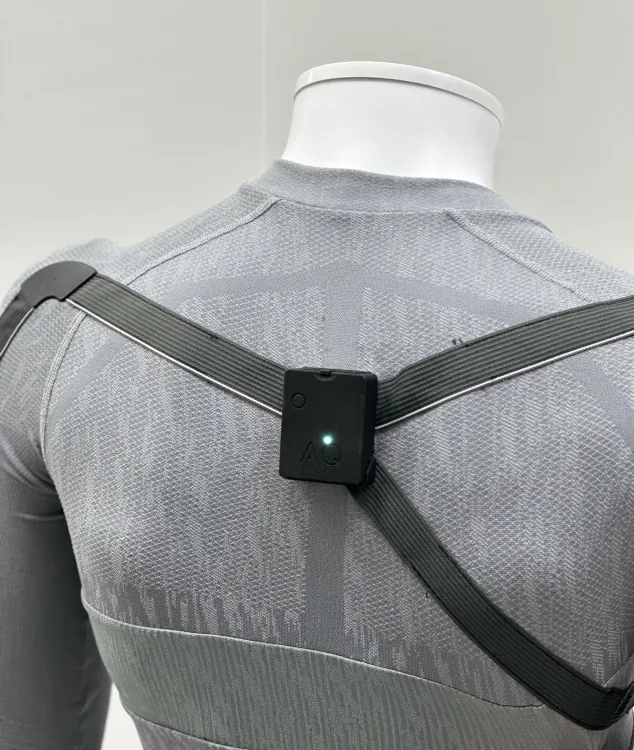
Smart Textile
Integration of sensors, actuators and flexible electronics into technical textiles — for intelligent inflatable products capable of measuring, interacting and adapting.
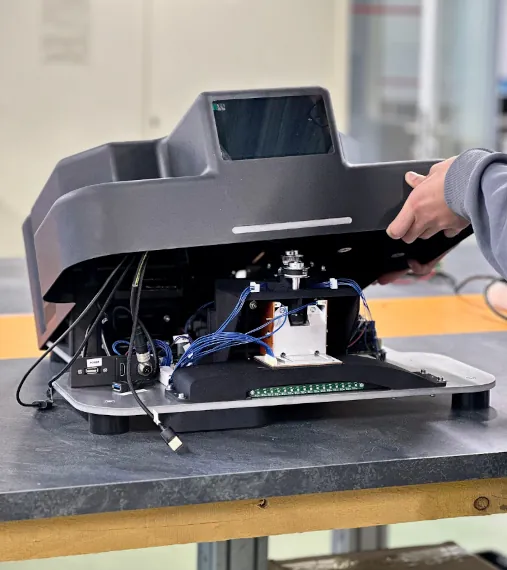
Custom test machines
Design and manufacture of test machines, R&D benches and specific tooling to test, qualify and produce your inflatable systems and technical textiles.
Frequently asked questions about inflatable systems
What types of inflatable systems do you develop?
We design technical soft structures: protective cushions and airbags (sport, equestrian, motorcycle), inflatable medical devices, active comfort or compression systems, PPE safety equipment, and custom R&D prototypes. Each project begins with a technical scoping phase to define the most appropriate pressure, geometry, material and assembly process.
What materials do you use for inflatable structures?
We primarily work with TPU (thermoplastic polyurethane), PA (polyamide), PVC, silicone fabrics and composite membranes, depending on working pressure, application, environment (humidity, UV, abrasion) and certification requirements. Material selection is critical for durability and industrialisability — we advise you from the design phase onwards.
What are your typical lead times for an inflatable project?
Lead times depend on product complexity and starting phase. Typically: 2 to 4 weeks for scoping and preliminary design; 6 to 10 weeks for the first functional prototype; 4 to 8 additional weeks for testing and adjustments. A certified pre-series project generally requires 4 to 6 months in total. We provide a detailed schedule from the outset, and we work with international clients across Europe — delivery and remote collaboration are part of our standard workflow.
Do you carry out prototypes and pressure testing?
Yes. We produce functional prototypes in our Annecy area workshop and validate every product through sealing tests, pressure resistance, inflation/deflation cycles and durability testing. The advantage of our setup: the same team that designed the structure also runs and interprets the tests — no knowledge loss between phases, faster iterations.
Can you integrate sensors or electronics into an inflatable system?
This is one of our specialities. Thanks to our Smart Textile hub and our expertise in embedded electronics, we integrate pressure sensors, accelerometers, electronic triggers and control boards directly into soft structures. This enables the development of intelligent airbags, active protection systems or embedded monitoring solutions.
Do you handle series manufacturing of inflatable structures?
We carry out in-house pre-series runs of 10 to 500 units, with full quality control and traceability. Our internal assembly unit handles HF welding, technical stitching and individual sealing tests. For volumes above 500 units, we coordinate industrial transfer to our textile manufacturing partners, with a complete manufacturing file.
How do you handle confidentiality and intellectual property?
We systematically sign an NDA before any technical exchange. Full intellectual property of all developments — drawings, geometries, processes, firmware — is transferred to you as defined in the contract. Our clients frequently work on sensitive innovations: confidentiality is treated with the same rigour as the technical constraints of the project. NDA available on request.
Can you work with teams outside France?
Yes. We regularly collaborate with R&D teams based in Switzerland, Germany, the UK, Belgium and the Netherlands. Our working language is French or English depending on the client. All deliverables — design files, test reports, certification documents — are provided in the agreed language. We use standard collaboration tools (video calls, shared repositories, milestone reviews) and can adapt to your internal processes.