


Multidisciplinary Engineering: Mechanical, Electronic and Technical Textile
AQ-Tech develops your industrial, mechatronic and technical textile products from concept to production.

The benefits of a multidisciplinary approach
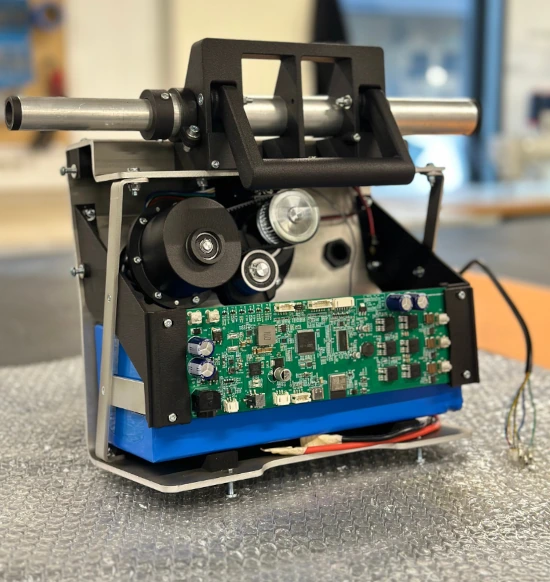
A coherent integration of mechanics, electronics and textiles leads to more reliable products, more compact architectures, easier industrialisation and faster time-to-market.
Mechatronics & Embedded Systems
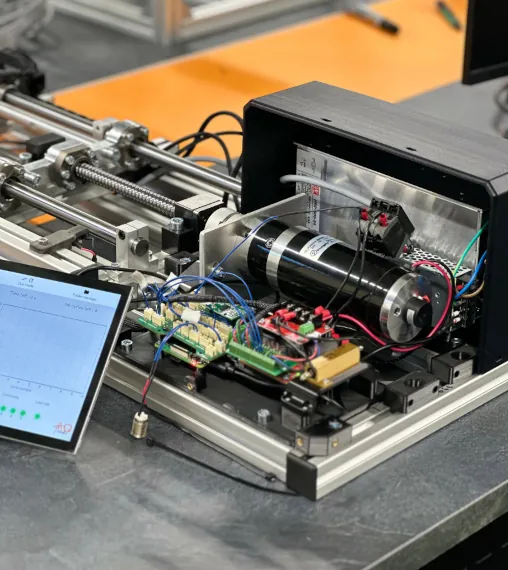
Design of systems combining mechanical parts, PCBs, sensors, motors, connectors and embedded firmware. Results: optimised architecture, controlled performance, facilitated industrialisation.
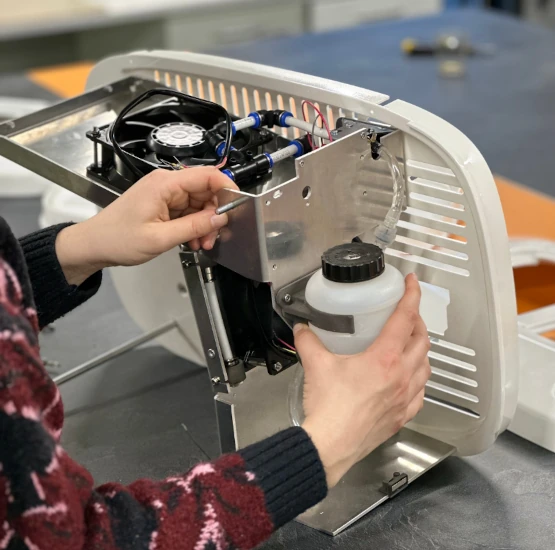
Industrial Products & Technical Devices
Development of robust products: enclosures, mechanisms, embedded electronics, interfaces, motorised systems. Functional optimisation, mechanical reliability and long-term durability.
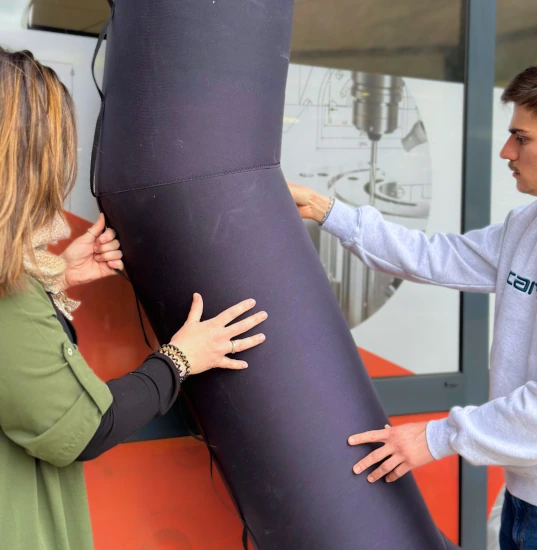
Technical Textiles & Soft Materials
Textile integration as a functional material: lightweight structures, comfort, energy absorption, ergonomics. Unique expertise in combining textile, mechanics and electronics within a single product.
Mechanical Design
Enclosures, mechanisms, kinematics, assemblies, materials, prototypes and mechanical testing.
Electronics & Firmware
Electronic boards, sensors, power management, communication, embedded firmware.
Technical Textiles
Materials, soft structures, reinforcements, ergonomics, integration into mechanical systems.
Prototyping & Industrialisation
Processes, assembly, documentation, validation, pre-series, quality control.
Integrated Technologies & Skills
AQ-Tech brings together mechanics, electronics, embedded software, technical textiles and mechatronic machine design in a single team. This integration enables complete, coherent and industrial-grade products.
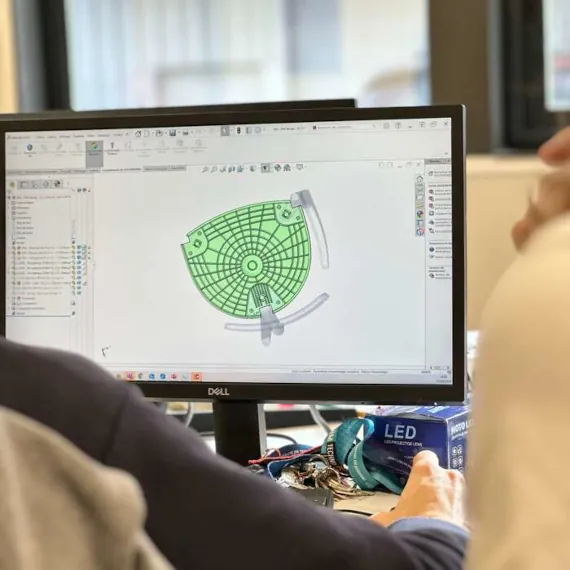
Mechanical Engineering
AQ-Tech designs complete mechanical systems: enclosures, mechanisms, assembly interfaces, rigid and semi-rigid structures. Expertise includes materials, kinematics, tolerances, mechanical strength and sealing. Every design is built to be functional, reliable and ready for manufacturing.
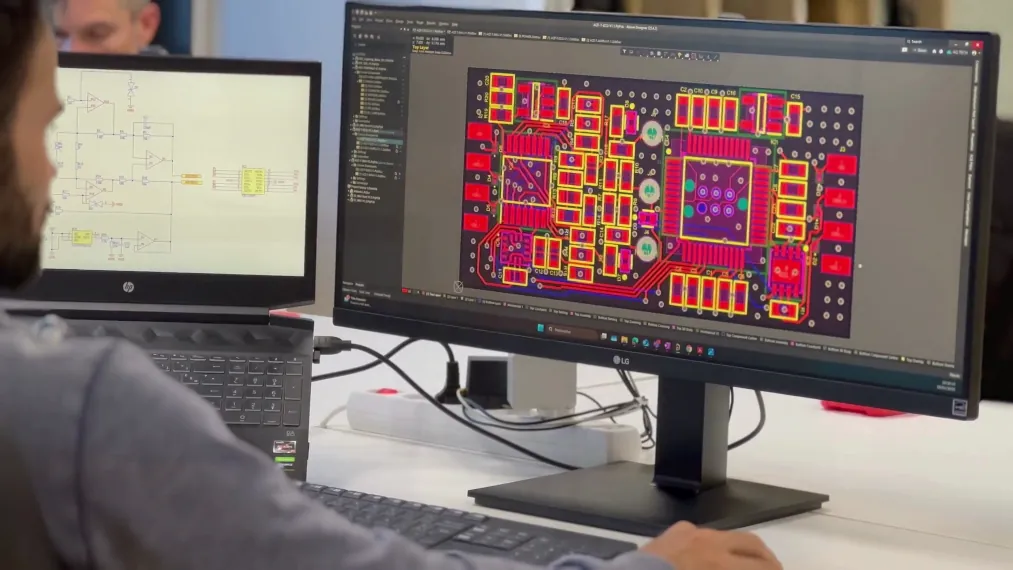
Electronic Engineering
Our electronics team develops embedded architectures including sensors, actuators, power management, communication, electrical safety and EMC constraints. Each PCB is optimised for robustness, compactness, low consumption and integration into complex environments. Prototypes undergo systematic functional and EMC testing.
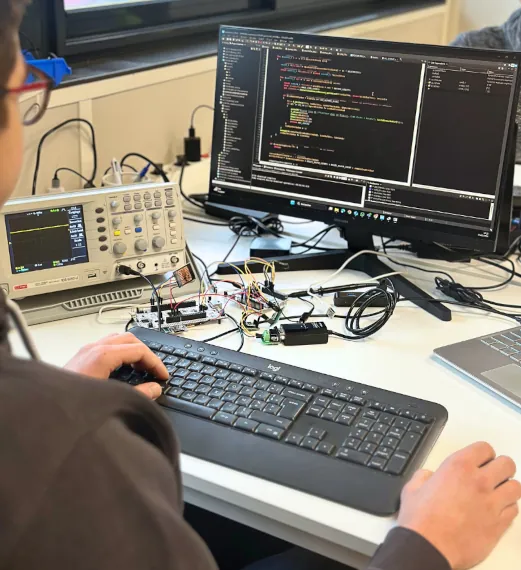
Firmware & Embedded Software
Firmware is developed hand-in-hand with electronics to ensure full control over sensor processing, communication protocols, power optimisation and functional safety. AQ-Tech develops robust and modular software architectures optimised for constrained embedded environments: low-level drivers, real-time synchronisation, memory management.
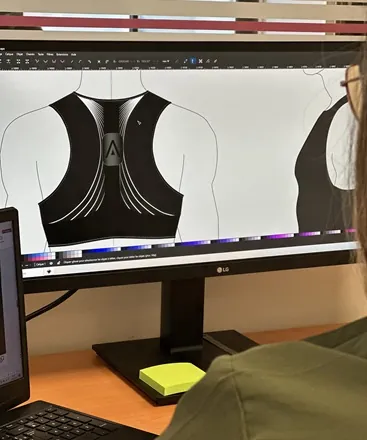
Technical Textile Engineering
Textiles are used as functional materials: structural, flexible, ergonomic or protective. AQ-Tech develops technical textile structures, optimises textile–mechanical interfaces, selects materials and produces prototypes adapted to abrasion, comfort, constraints and durability requirements.
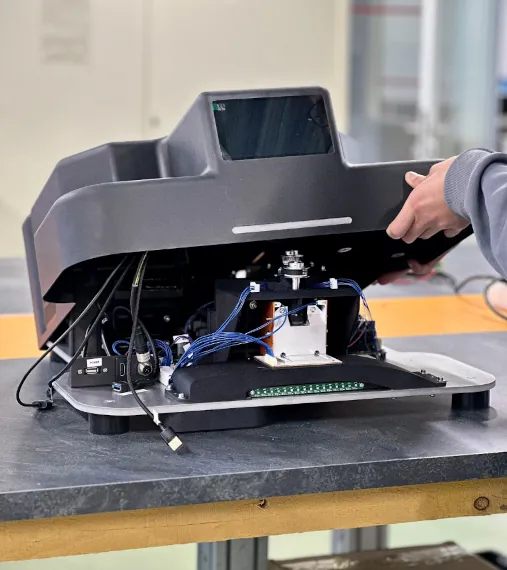
Mechatronic Machine Development
AQ-Tech designs custom machines combining precision mechanics, actuators, electronics, sensors, firmware and control systems. Architectures are developed for repeatability, robustness, safety and integration in industrial or laboratory environments. A full approach enabling fast transition from concept to functional product.
Development steps for a multidisciplinary product
AQ-Tech follows a complete development workflow: study, design, prototyping, testing, industrialisation and assembly.
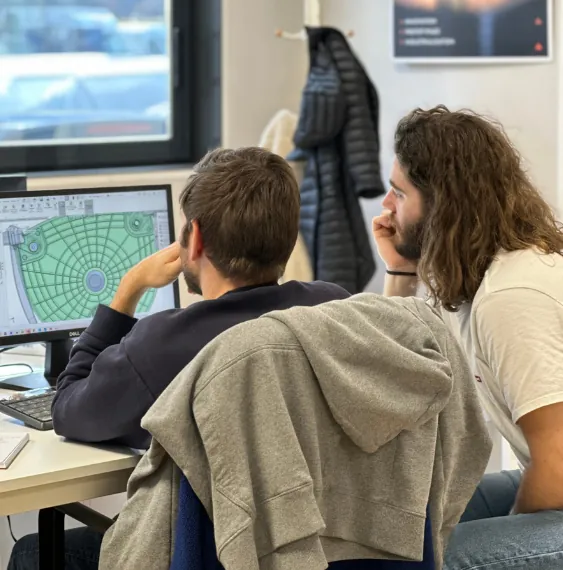
Design
System architecture, material selection, mechanical–electronic–textile integration, electronic schematics, functional analysis and CAD models.
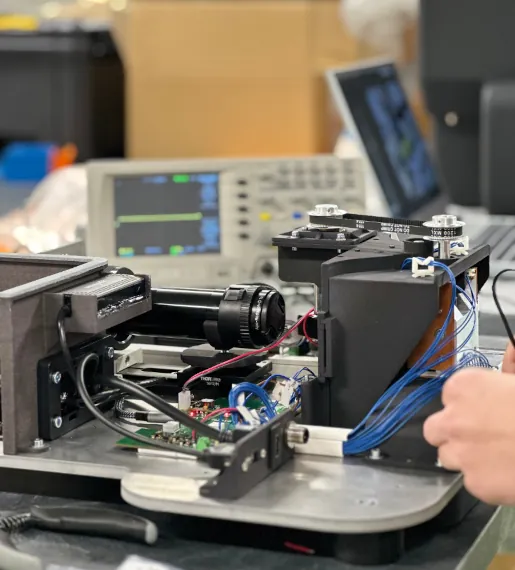
Prototyping
Mechanical, electronic and textile prototypes. Functional validation, mechanical testing, EMC trials, and system integration optimisation.
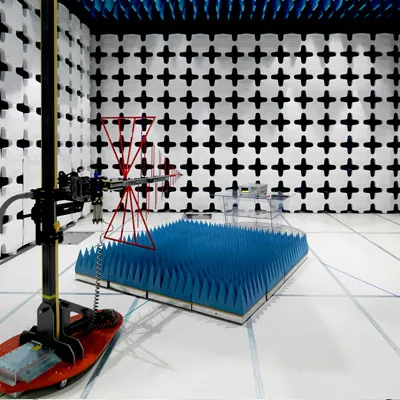
Industrialisation
Assembly methods, BOMs, testing protocols, industrial documentation, pre-series and cost optimisation.
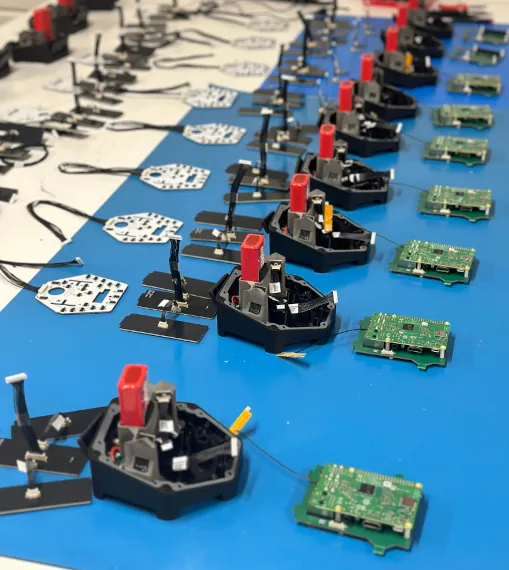
Assembly & Manufacturing
Small-series in-house production, assembly documentation, final testing and transfer to industrial partners.
Selected multidisciplinary case studies
Examples of mechatronic systems, technical textile products and embedded solutions developed by AQ-Tech.
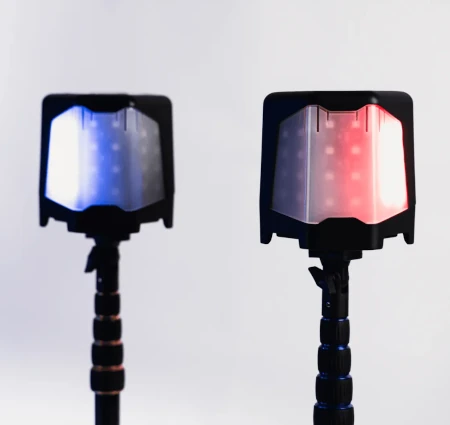
Drillight: Smart Training E-Cone
Light-based training system for professional athletes. Full development: embedded electronics, wireless communication, injected plastic mechanics, optimised firmware and industrialisation. A complete end-to-end product achievement.
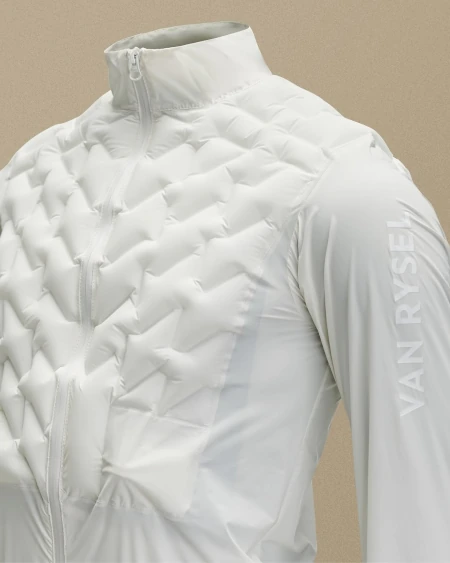
Van Rysel: Inflatable Thermal Jacket
Lightweight textile jacket integrating an inflatable chamber to dynamically adapt thermal insulation. Developed with technical textiles, inflatable structure, sensors, electronic control and compact product architecture. A highly engineered yet comfortable and washable garment.
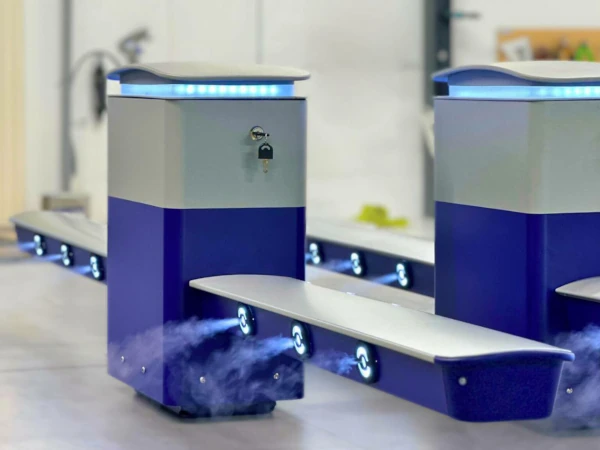
CLP – GEYSER
Autonomous, maintenance-free intelligent footbath for professional environments. Full mechatronic development: robust sheet-metal structure, high-accuracy industrial electronics, fluid management, sensors and embedded algorithms. Designed for intensive daily use.
Multidisciplinary Engineering – FAQ
Which disciplines do you integrate in-house?
Mechanics, electronics, firmware, technical textiles, automation and prototyping. This integration eliminates workflow gaps and accelerates product development.
Can you develop a complete product?
Yes. We handle system architecture, design, prototyping, testing, industrialisation and documentation. The objective: a reliable, functional, manufacturing-ready product.
Do you work with internal client teams?
We can co-develop with your staff, take charge of a subsystem or lead the full project. Our involvement adapts to your structure and internal skillset.
Do you take on complex or poorly defined projects?
Yes. We specialise in projects combining mechanics, electronics, textiles and embedded software. We structure the architecture and identify risks early in the process.
How do you ensure the reliability of your developments?
Mechanical, electrical and functional tests, EMC trials, risk analysis and rapid prototype iterations. Systems are validated under realistic usage conditions.
What are the typical development timelines?
Studies: 6-8 weeks, prototyping: 8–16 weeks, pre-series: 3–6 months. Timelines depend on mechanical–electronic complexity and required performance.
Do you develop embedded firmware?
Yes. Low-level firmware, sensor drivers, energy optimisation, real-time synchronisation and communication protocols for advanced embedded systems.
Can you design mechatronic machines?
Yes. We design mechanical structures, electronics, actuator control and embedded firmware. We deliver ready-to-use machines, test benches and mechatronic modules.