


For more than forty years, wearable airbag technology has proven its effectiveness in protecting users in high-risk situations. Originally developed for the automotive industry in the 1980s, it has since spread across many sectors thanks to its reliability, speed of action and light weight.
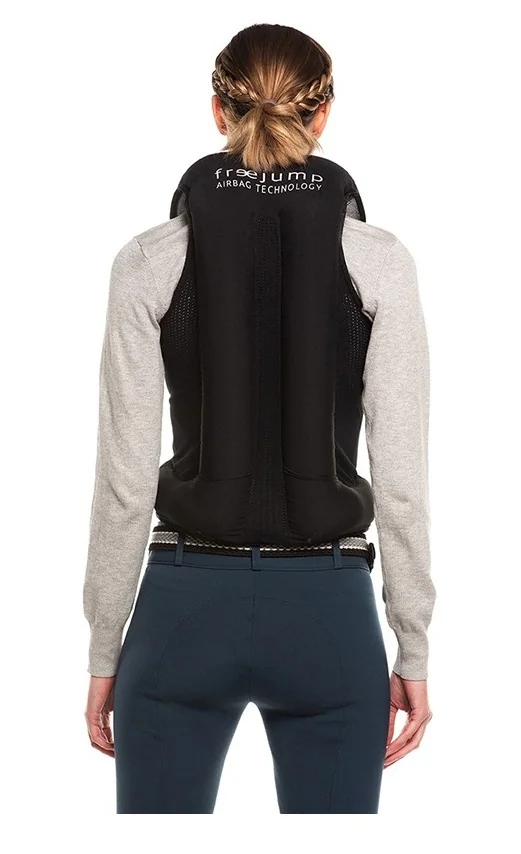
While airbags were once reserved for cars, pioneering companies such as Helite, ABS and Hit-Air gradually paved the way for far broader applications: motorcycling, equestrian sports, skiing, cycling, industrial safety and defence. This technology transfer has turned the airbag into an essential inflatable solution for personal protection.
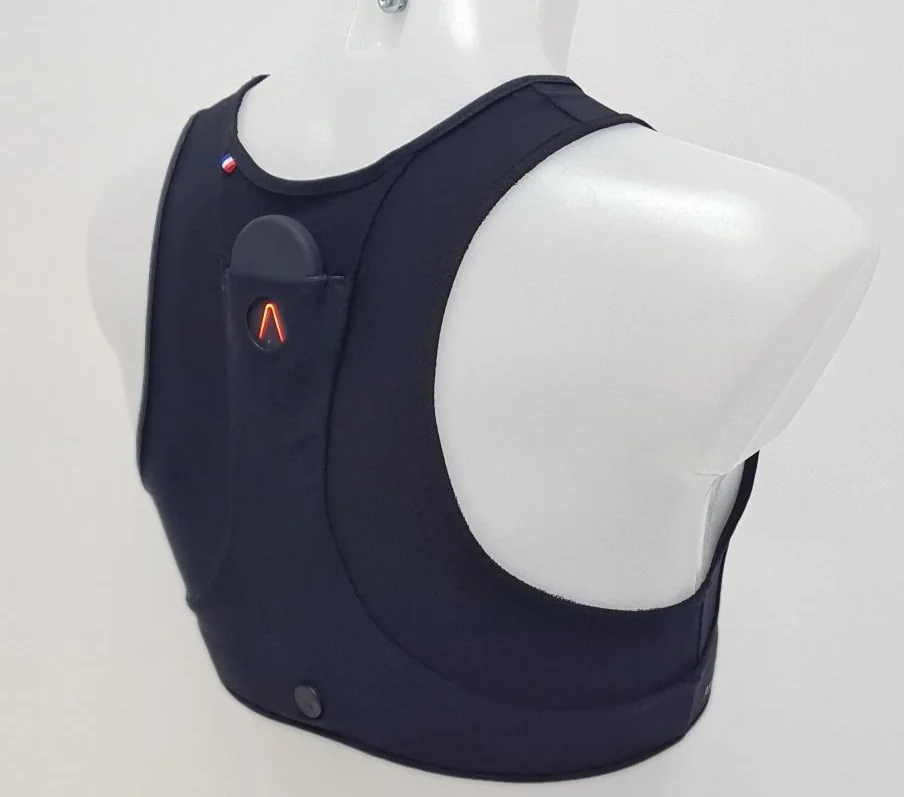
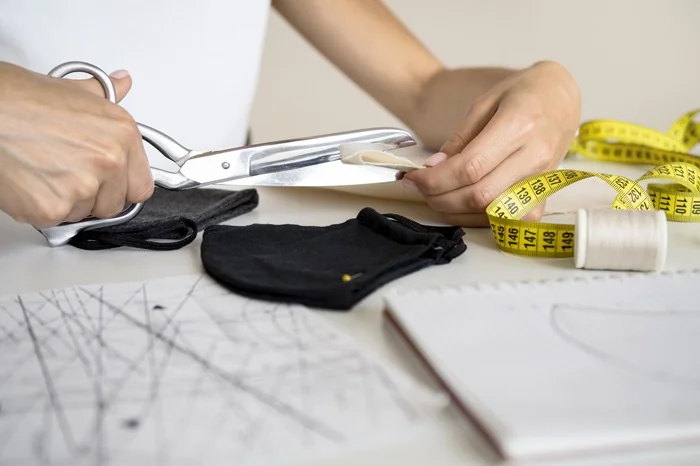
At AQ-Tech, we explore and integrate these technologies into custom products for safety, sport and healthcare, adapting inflatable systems to the constraints of each use case.
1. The benefits of airbag technology
The core principle of an airbag relies on a simple paradox: delivering a large protective surface from a minimal volume. When inactive, the device stays discreet and flexible. In the event of an accident, it deploys in just a few milliseconds to absorb impact energy and protect the user before contact.
This ultra-fast deployment — sometimes in less than 30 milliseconds — makes it a responsive and lightweight safety solution. Its adaptability enables the design of ergonomic, comfortable products that integrate seamlessly into complex environments.
The advantages are numerous:
- Absorb impact energy and reduce injuries.
- Limit a sudden displacement or a fall.
- Keep the user on the surface (as in avalanche airbags).
- Preserve full freedom of movement when not deployed.
In short, airbag technology combines lightness, efficiency and safety: three qualities that explain its growing adoption in innovative protection products.
2. How does an airbag work?
An airbag is a complex inflatable system made up of three main sub-assemblies:
- A detection and triggering system.
- A gas generator.
- An inflatable protection volume.
The detection / triggering system
Triggering is the key to any airbag system. Two main families exist:
- Manual systems: mechanical, they require a physical action (pulling a handle, tearing a cable). This is the case for equestrian or mountain airbags.
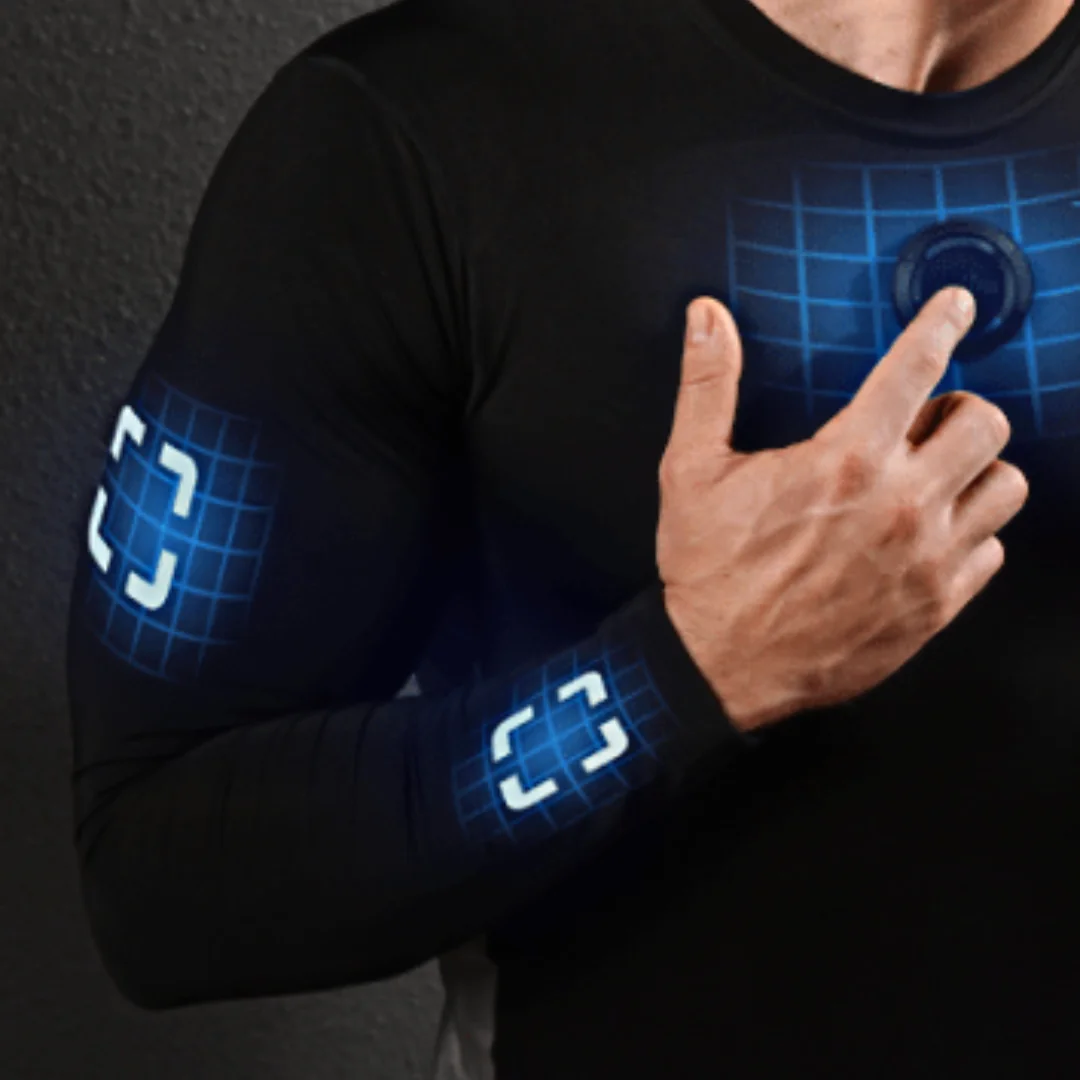
- Automatic systems: electronic, they detect a fall or impact through sensors (accelerometers, gyroscopes, AI algorithms). The goal: anticipate the fall before impact.
The gas generator
Once the event is detected, the protective cushion must be inflated. This role is handled by the gas generator. Three main families exist:
- Pyrotechnic generators: ultra-fast, they produce very high temperatures and are used in automotive airbags.
- Cold-gas generators with pyrotechnic triggering: a small explosive charge pierces a pressurised gas cartridge (CO₂, nitrogen, helium...). Widely used in modern wearable airbags.
- Mechanical generators: triggered by a spring or needle, they ensure simplicity and operational safety.
The inflatable volume
This is the visible, protective part of the airbag. Made of two layers — an airtight membrane and a protective textile envelope — this volume must be precisely sized to meet criteria of mechanical strength, energy absorption and ergonomics.
At AQ-Tech, we design these volumes to specification using technical textiles (TPU, nylon, polyurethane...), combining flexibility, resistance and durability.
3. The limits and constraints of airbag technology
Although extremely effective, airbag technology remains a complex technical solution requiring custom design for every application.
It involves:
- Fine mastery of the design and sizing of the protection volume.
- Compliance with strict safety, gas/electronics compatibility and certification standards.
- Legal constraints linked to the use of pyrotechnic systems or pressurised gas.
Each project therefore calls for a holistic approach combining mechanics, electronics and textiles — an expertise we master within our Inflatable Structures division, backed by 20 years of airbag engineering.
If you would like to assess the feasibility of a project involving an airbag solution, contact our team: we will help you define the technical choices and constraints associated with your application.