


Smart Textile: Design, Prototyping & Industrialization of Intelligent Textiles
AQ-Tech develops your smart textiles and connected garments, from concept to production.

The benefits of smart textiles
Smart textiles transform a garment or equipment into a measurement, analysis and interaction platform. They enhance user performance, simplify usage, and provide real-time physiological or mechanical data.
Medical & Healthcare
ECG/EMG, respiration, temperature, mobility… Smart medical textiles enable continuous monitoring, high comfort and industrial-grade reliability.

Sports & Performance
IMU, pressure, posture and muscle activity sensors turn a garment into a biomechanical analysis tool for training, injury prevention or performance monitoring.
Industry & Safety
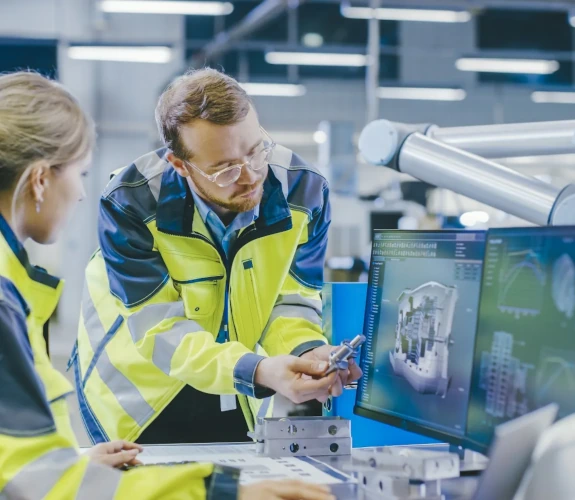
Fatigue detection, posture, pressure or hazardous environments: smart textiles become enhanced PPE improving safety and prevention.
Smart Textile Architecture
E-textile architecture, conductive tracks, electrodes, modules, connectors.
Textile Sensors
ECG, EMG, IMU, pressure, respiration, temperature, biomechanics.
Mechanical–Electronic Integration
Overmolding, encapsulation, textile connectors, flexible modules.
Industrialization
Reproducible textile processes, washing durability, CE/MDR preparation.
Technologies integrated into smart textiles
Smart textiles combine sensors, actuators, conductive tracks and miniaturized electronics to transform a textile into a system that can measure, interact and act. These technologies enable reliable, comfortable, washable and industrializable products.
Types of integrable sensors
- ECG – cardiac signal measurement via textile electrodes
- EMG – muscle activity analysis
- IMU – accelerometer, gyroscope, orientation, posture
- Pressure – resistive/capacitive pressure mapping
- Respiration (RIP) – textile inductive/resistive modulation
- Temperature – skin-contact thermal sensors
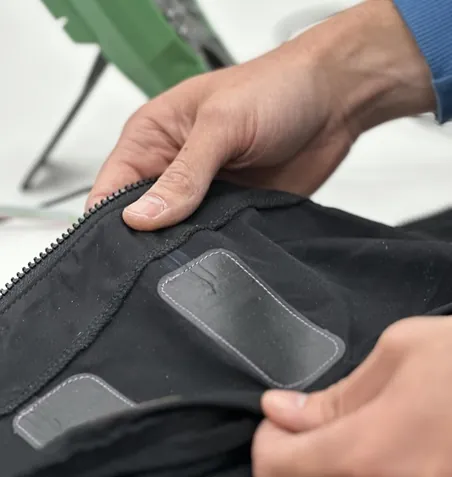
- Resistive / capacitive tracks – deformation, flex, touch
These sensors turn the textile into a biometric, biomechanical or industrial monitoring platform.
Integrable actuators
- Haptics – vibration motors for tactile feedback
- Heating – textile heaters or heating yarns
- Electrostimulation – muscle/nerve stimulation
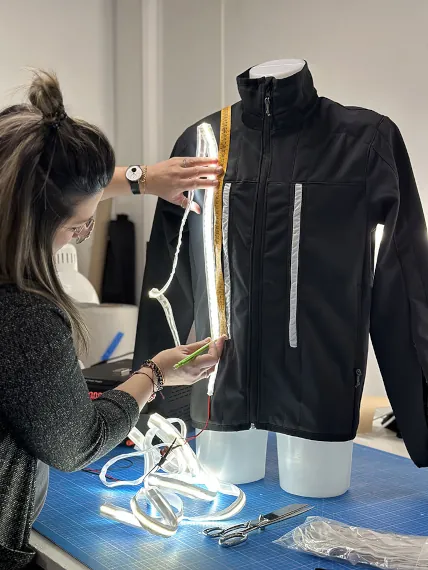
- LED / luminous textiles – safety, visibility, ergonomics
- Photonic textiles – optical fibres, diffuse lighting
These technologies add an interactive dimension to garments: comfort, feedback, therapy or safety.
Electronic integration methods
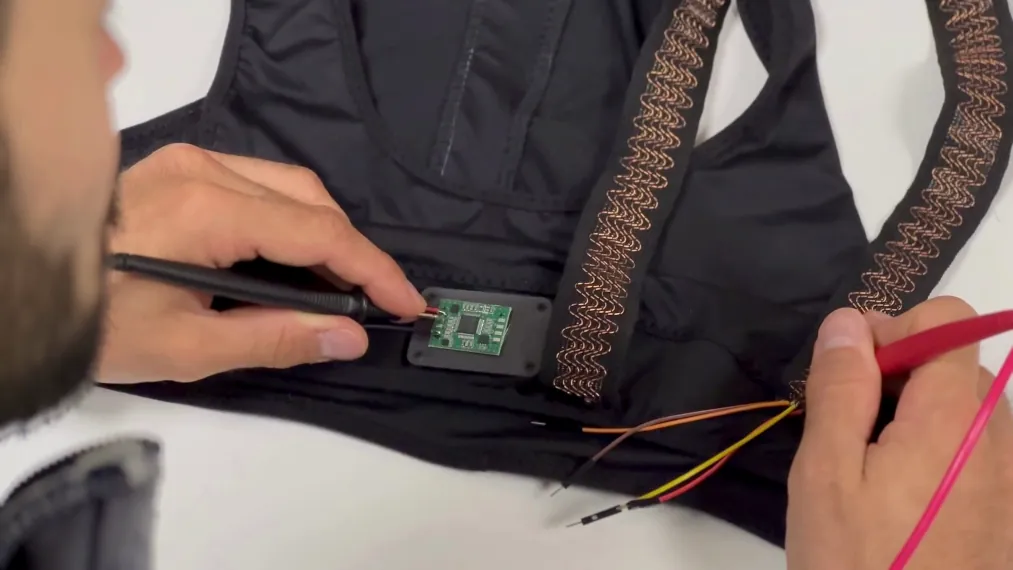
- Conductive tracks – embroidered, printed, woven or laminated
- Textile electrodes – knitted, screen-printed, hybrid
- Conductive inks / films – printed, transferred, thin-layer
- Technical embroidery / weaving – structural conductor integration
- Overmolded textile connectors – robust textile ↔ electronic interface
The objective: reliable, comfortable and repeatable integration, compatible with washing and mechanical stress.
Reliability constraints
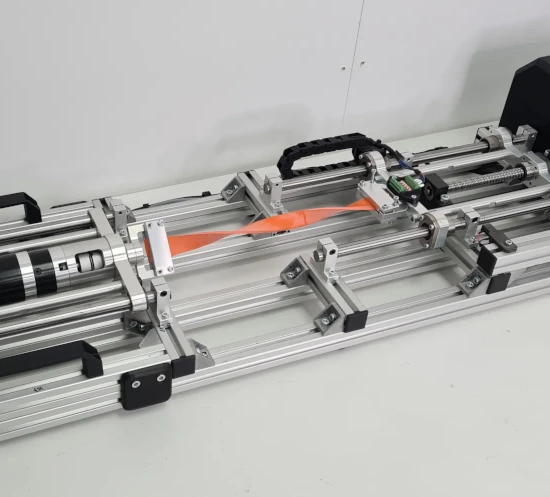
- Mechanical fatigue – repeated stretch/compression cycles
- Torsion, friction, abrasion – everyday wear constraints
- Textile ↔ electronics interfaces – critical break points
- Signal degradation – wear, humidity, contact evolution
Reliability is a key challenge: a Smart Textile must remain functional after hundreds of use, stretch and washing cycles.
Performance & testing
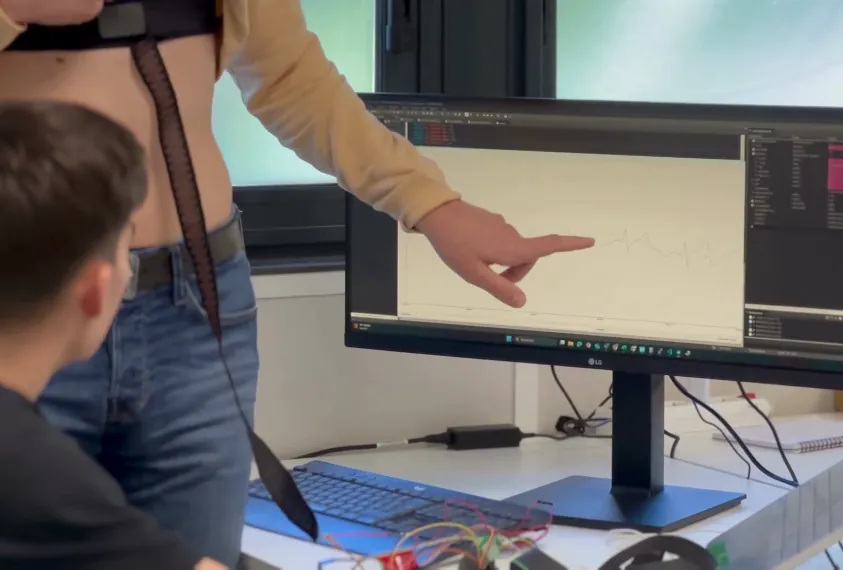
- ECG/EMG/IMU measurements – signal analysis & stability
- Mechanical tests – traction, bending, endurance
- Washing tests – repeated cycles, varying intensities
- EMC tests – electromagnetic compatibility
- Waterproofing & abrasion – extreme usage conditions
These tests ensure quality, repeatability and compliance before pre-series or certification.
Washing cycles & durability
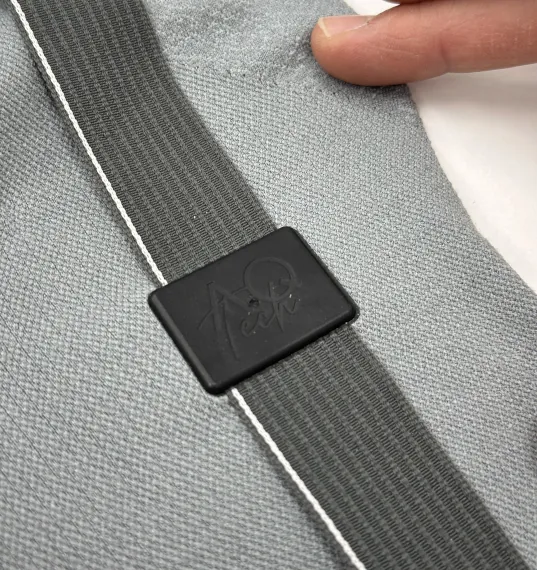
- Encapsulation – silicone, PU, TPE for electronics protection
- Overmolding – robust connectors & modules
- Mechanical protection – reinforcement, layering, laminating
- Washing campaigns – repeated 25–50–100 cycle validation
The durability of a Smart Textile depends on the balance between electronic protection, textile flexibility and resistance to repeated washing.
Development steps of a Smart Textile
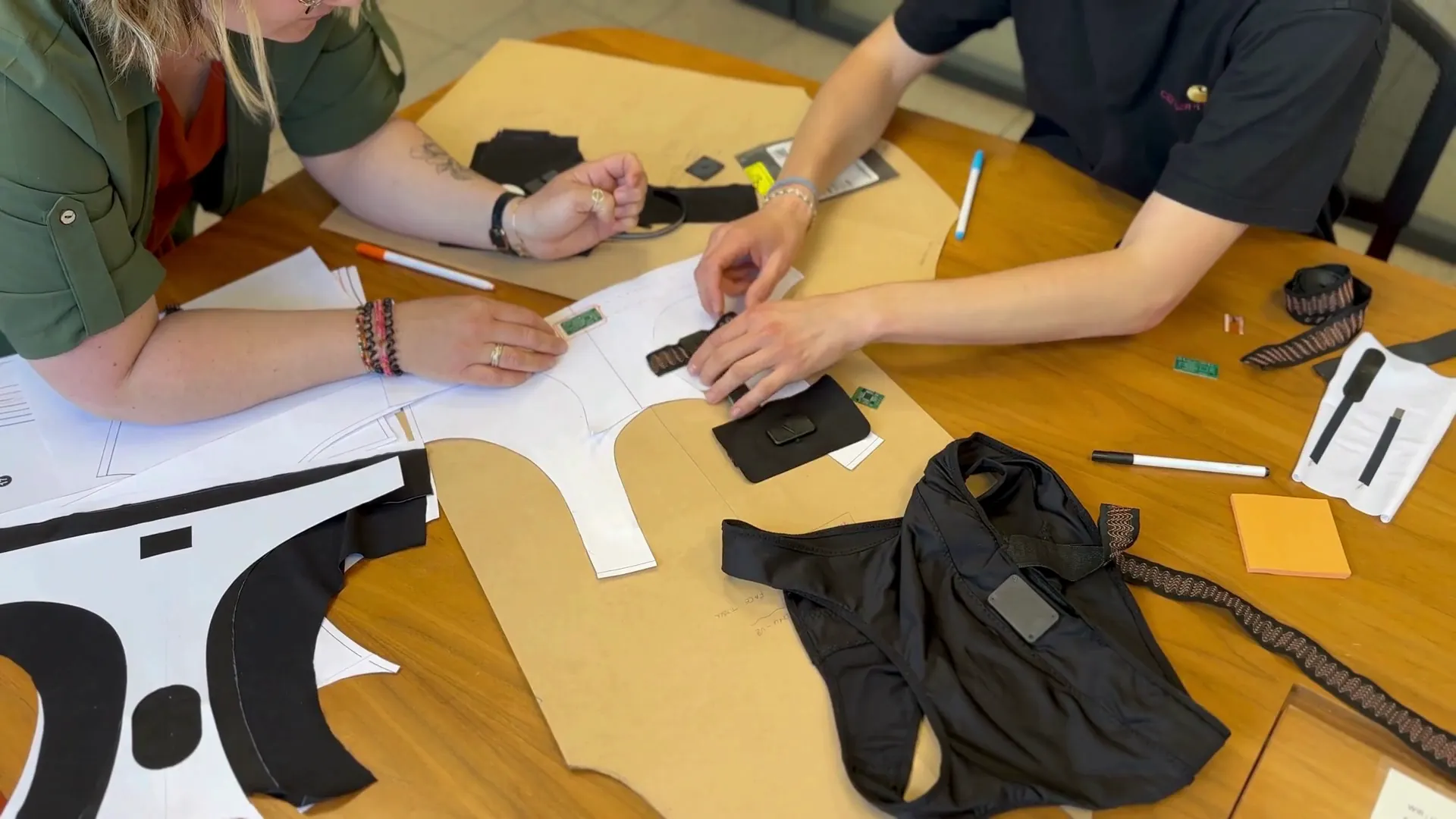
AQ-Tech follows a complete process to design, prototype and industrialize smart textiles that are reliable, repeatable and ready for mass production.
Design
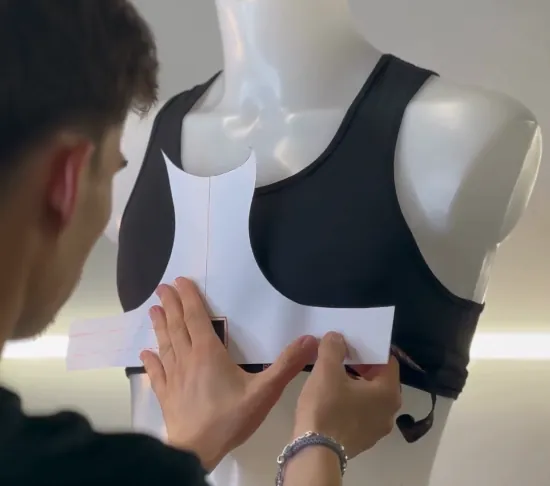
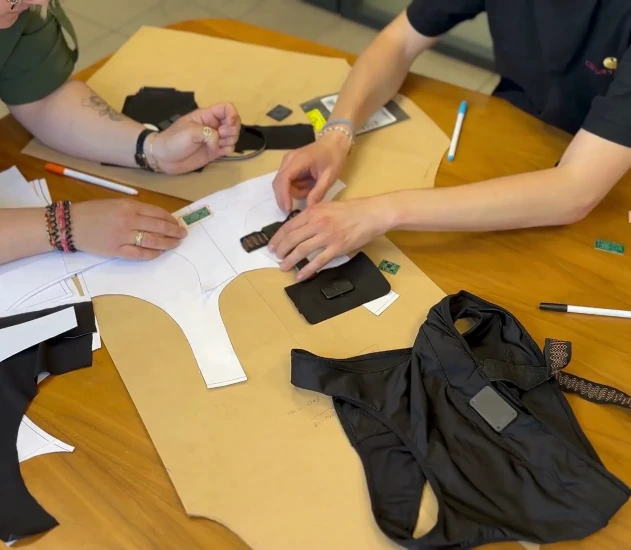
E-textile architecture, material selection, definition of sensors, conductive paths and textile–electronics interfaces. Building a fully integrable, reliable system.
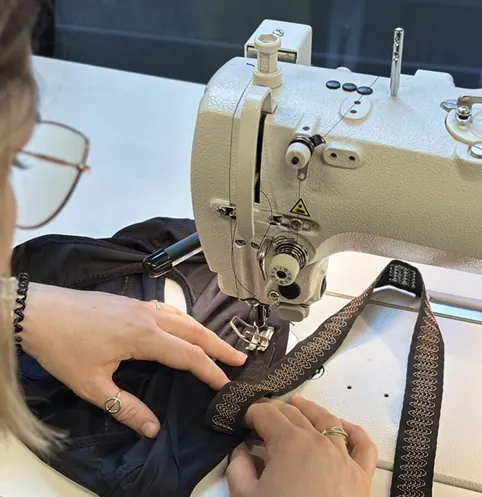
Prototyping
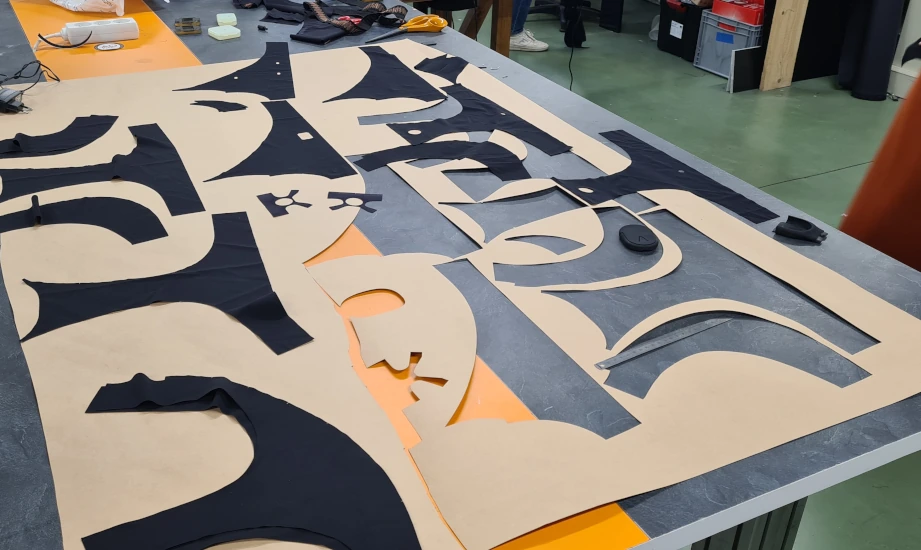
Development of instrumented textile prototypes. ECG/EMG/IMU tests, comfort & washability evaluation, mechanical robustness and rapid iterations to stabilize performance.
Industrialization
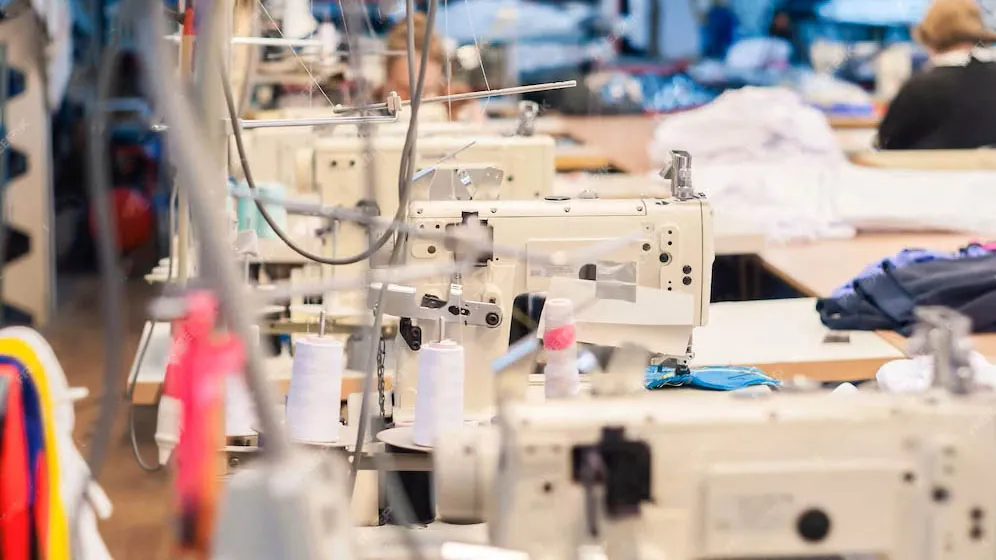
Definition of textile–electronics assembly processes, overmolding methods, encapsulation, quality control protocols and CE/MDR production preparation.
Assembly & Manufacturing
Series or pre-series production: textile–electronics assembly, final testing, repeatability assessment, industrial documentation and transfer to your manufacturing partners.
Selected Smart Textile Projects
Examples of smart textiles we developed: integrated sensors, soft electronics, actuators, overmolding and complete e-textile architectures.
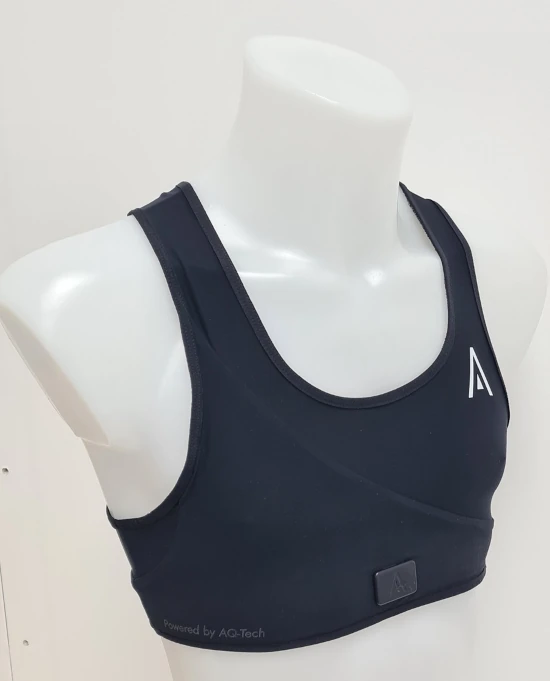
Instrumented Medical Bra
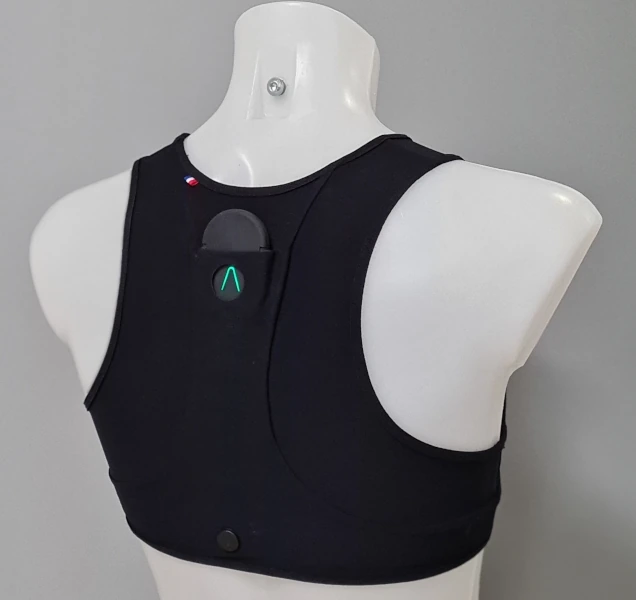
Medical textile integrating ECG, respiration (RIP), skin temperature and IMU. Autonomous, washable and designed for prolonged wear, featuring robust e-textile architecture and high-comfort overmolding.
Motion-tracking T-Shirt
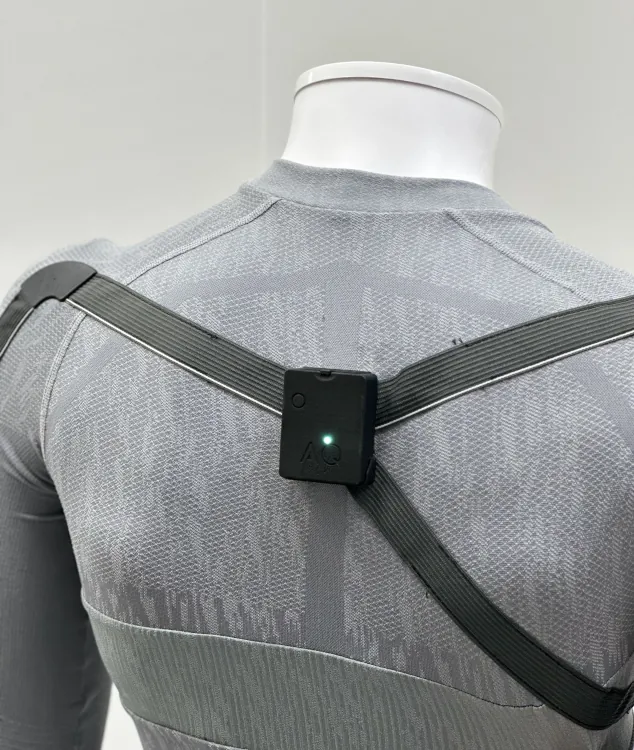
Second-skin T-shirt integrating a network of multi-IMU sensors, GPS, ECG electrodes and respiratory monitoring. Designed for sports biomechanics: segmented motion analysis, posture tracking, real-time multisensor synchronization.
Electrostimulation Pants
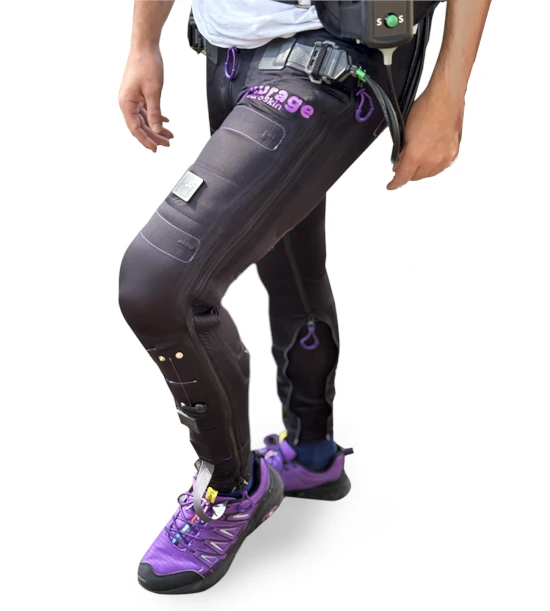
Technical textile integrating 24 textile electrodes for targeted muscle stimulation. Custom design: overmolding, reinforced textile connectors, energy-optimized electronics and wash-resistant, durable construction.
Smart Textile – FAQ
What types of sensors can be integrated into a smart textile?
We integrate a wide range of sensors: ECG, EMG, 6/9-axis IMU, pressure sensors, respiration (RIP), temperature, resistive/capacitive sensors or fully custom biomechanical systems. Each architecture is adapted to the intended use and required reliability.
How do you ensure the reliability and washability of a Smart Textile?
Reliability is achieved through robust protection methods: silicone overmolding, encapsulation, multilayer laminating, reinforced textile connectors and material selection compatible with washing. All products undergo mechanical tests, repeated washing campaigns, electrical measurements and endurance testing.
Can you produce Smart Textile prototypes?
Yes. AQ-Tech develops fully functional prototypes: textile, sensors, embedded electronics, firmware, overmolding, connectors and test benches. These prototypes validate signal quality, ergonomics, durability and integration.
Can you support industrialization of a smart textile?
Yes. We define reproducible processes: textile-electronics manufacturing methods, material selection, quality control protocols, industrial documentation and bill of materials. We collaborate with certified partners and prepare all required production documents.
Do you work on medical Smart Textile projects?
Absolutely. We support the development of medical textile devices integrating physiological sensors (ECG, EMG, respiration, temperature). We also prepare the key elements for future CE / MDR certification: technical architecture, risk analysis, preliminary testing and industrial dossiers.
Can a smart textile remain comfortable and discreet?
Yes. We develop discreet, flexible and lightweight architectures: textile electrodes, flexible tracks, miniaturized modules, flat connectors and thin encapsulation. The goal is to create smart textiles that remain comfortable, breathable and unobtrusive.
What are the typical lead times for developing a Smart Textile?
Timelines vary depending on textile complexity, sensors and firmware. Typically: – 2–6 weeks for the architecture & study phase – 4–12 weeks for functional prototyping – 3–6 months for pre-series & industrial preparation. We adapt timelines according to maturity and requirements.
Can you integrate our own sensors or electronics?
Yes. We can use your existing electronics or develop a custom PCB. We adapt the textile and mechanical interfaces to ensure compatibility, washability, robustness and signal integrity.